After the Vet: A Calm Homecoming for Your Rescue Dog
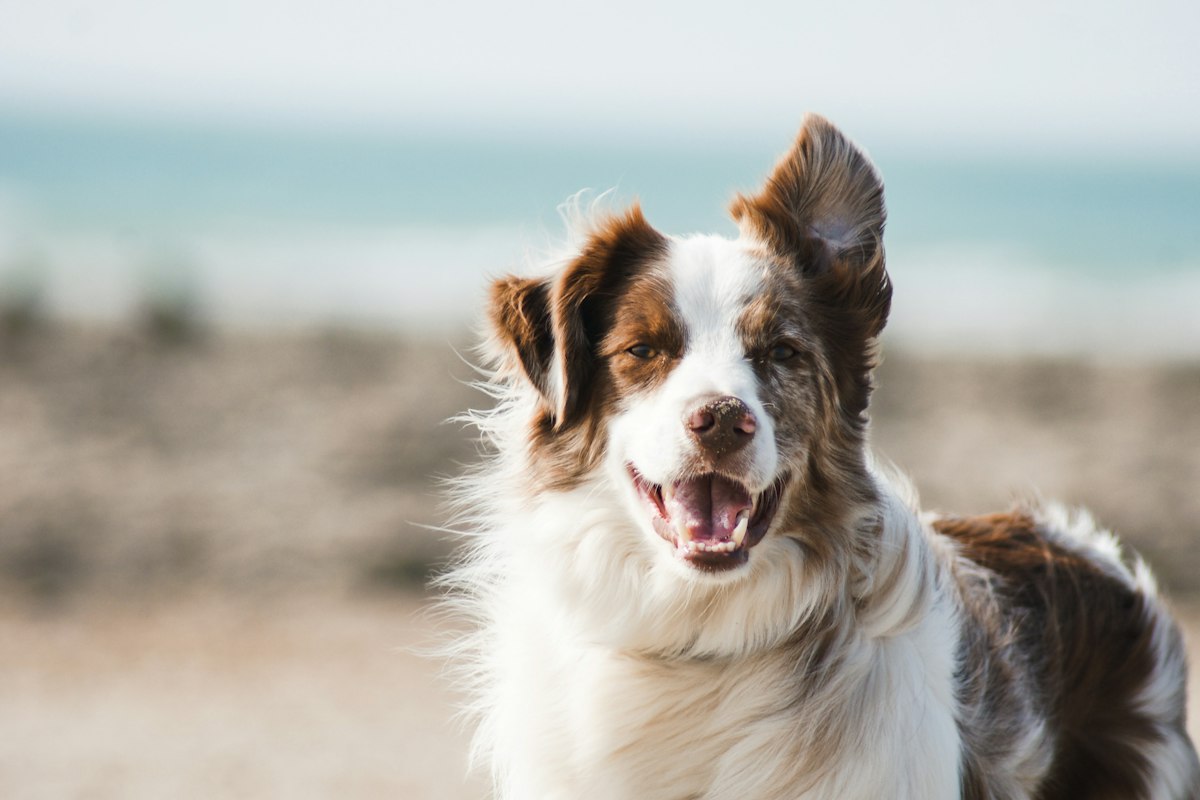
A veterinary appointment can pack a lot into one morning: an unfamiliar car ride, new smells, other animals, handling by strangers, and perhaps a procedure. For a newly adopted dog still learning that your home is safe, the best welcome afterward is often a quiet one. You don't need to turn the rest of the day into a training session. Give your dog space to recover at their own pace, while following any discharge instructions from the clinic.
Make the trip home uneventful
Before leaving, ask the veterinary team what to expect that day. Find out when your dog can eat and drink, whether activity should be limited, which changes are normal after any medication or sedation, and whom to call with concerns. Keep those instructions handy; they take priority over general advice.
Use a secure harness or travel crate that your dog can ride in comfortably. If possible, take a familiar route home and skip errands, introductions, and busy stops. A dog who seems unusually quiet in the car may simply be tired, but if your vet has given you warning signs to watch for, use those rather than guessing.
Offer a low-key landing spot
At home, lead your dog to a familiar resting area away from visitors, loud television, and excited pets. Leave fresh water available unless your veterinarian says otherwise. Let your dog choose whether to rest near you or farther away; you can be present without hovering. If your dog needs to go outside, keep the outing brief and calm, with a secure leash and the activity limits your vet recommended.
Some dogs seek contact after an unsettling experience; others want distance. Neither response is a measure of your bond. Avoid insisting on cuddles, asking for obedience cues, or touching a sore area. Keep children and other animals from crowding the resting space. If your dog retreats to a safe spot, allow it whenever medically safe to do so.
Watch the dog in front of you
A dog may be less interested in play, food, or social interaction right after an appointment. Notice what is typical for your dog and what the clinic said to expect. Write down any medication times or care instructions so everyone in the household stays consistent. If your dog had sedation, surgery, or a painful examination, the veterinarian's specific aftercare plan is especially important.
Call the clinic if your dog has symptoms the team identified as concerning, seems to be worsening rather than recovering, or you are unsure how to follow the instructions. Trouble breathing, collapse, or other severe symptoms call for urgent veterinary help. Do not assume a sudden behavior change is only fear when pain or illness could be involved.
Make the next visit a little easier
Once your dog has recovered and your vet has cleared normal activity, think about what part of the visit was hardest: the car, the waiting room, the examination, or the trip home. Ask the clinic whether it offers quieter appointment times, waiting outside until the room is ready, or brief low-pressure visits when no medical care is needed. These options won't fit every clinic or dog, but planning ahead can reduce surprises.
For now, a predictable evening is enough. A comfortable place to rest, the right medical aftercare, and permission not to perform are meaningful ways to support a rescue dog after a demanding day.
Photo: Unsplash .