Building Bridges with Your New Rescue Dog: A Trust Walk Adventure
Rescue dogs often come with a history that's as mysterious as it is heartbreaking. These animals have faced abandonment, neglect, or even abuse, leaving them wary of humans. Yet, the transformation that can occur when they find a loving home is nothing short of magical. Building trust with a rescue dog is essential, and one effective way to do so is through a simple yet profound activity: the trust walk.
The Trust Walk: A Unique Bonding Experience
The trust walk isn't just any walk. It's a mindful journey where the focus is on building a connection. The idea is straightforward: take your new rescue dog on a walk in a quiet area, allowing them to explore at their own pace. Experts suggest that this non-structured walk helps the dog become familiar with you and their new environment without the pressure of commands or expectations.
Here's the thing—patience is key. During this walk, avoid pulling on the leash or directing them too much. Let them sniff, pause, and observe. By doing so, you're communicating that this is a partnership, not a dictatorship. Rescue dogs need to learn that they can trust you to lead without taking away their freedom. Research shows that dogs who feel trusted are more likely to reciprocate that trust.
Consider varying the locations of these walks to include different environments like parks, beaches, or forests. Each new setting can stimulate your dog's senses in different ways and help them adapt to varied surroundings. This exposure can be particularly beneficial if your dog shows fear or anxiety in specific environments, as gradual exposure can build their confidence.
Recognizing the Power of Scent
Dogs experience the world primarily through their sense of smell. This is why allowing your rescue dog to sniff around during walks is crucial. When a dog is sniffing, they're gathering information about their surroundings, which can be comforting and mentally stimulating.
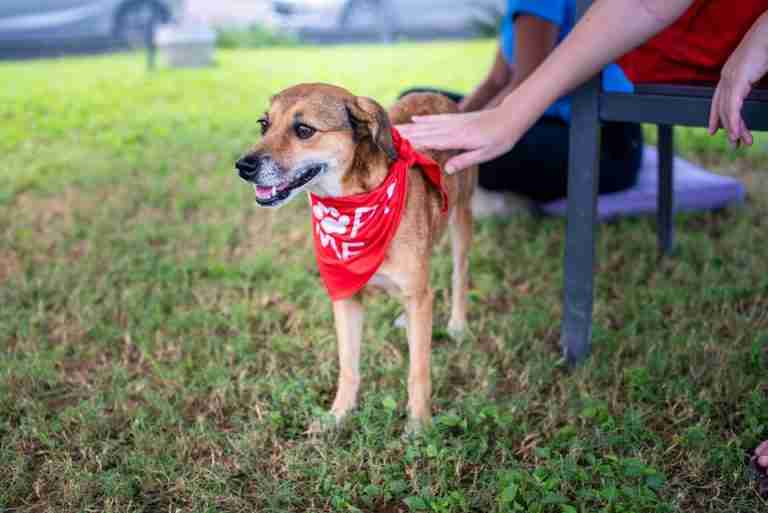
Consider this: According to a study published in the journal Animal Cognition, dogs who are given regular opportunities to sniff exhibit lower levels of stress and anxiety. This is particularly important for rescue dogs who might be dealing with trauma. Allowing them to engage their sense of smell freely can lead to a calmer, more trusting pet.
Incorporate scent games into your routine by hiding treats or toys around your home or yard for your dog to find. This not only stimulates their natural foraging instincts but also reinforces the idea that their environment is a safe place to explore and enjoy.
Consistency: The Secret Ingredient
While spontaneity is good, consistency in certain elements of the walk can make a world of difference. Try to walk your dog at the same times each day. Dogs thrive on routine, and knowing what to expect builds a sense of security. A consistent walking schedule helps establish a predictable environment, which is essential for a rescue dog's adjustment.
It's also beneficial to use the same leash and harness each time. Familiarity with their walking equipment can be comforting. Additionally, using a harness instead of a collar is often recommended by professionals as it provides better control and reduces the risk of neck injury. A well-reviewed option is the Ruffwear Front Range Harness, which many dog owners find effective for both control and comfort.
Consider also maintaining consistency in your verbal cues and the rewards you offer. This helps your dog understand what is expected and builds a sense of predictability that fosters trust.
The Role of Positive Reinforcement
Positive reinforcement is a powerful tool in building trust. During your trust walks, bring along some treats or a favorite toy. When your dog responds to their name, comes to you, or shows bravery in a new situation, reward them. This reinforces the behavior and strengthens your bond.
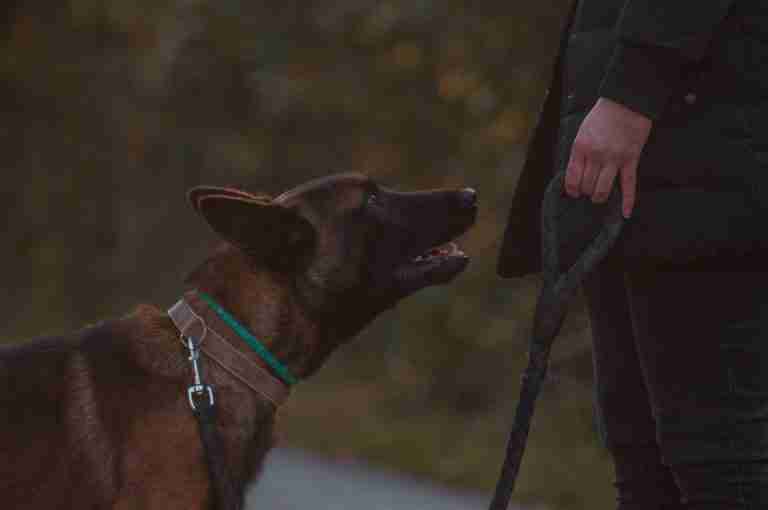
Many suggest using a treat like Zuke's Mini Naturals, known for being both tasty and healthy. Training sessions during or after the walk can also be beneficial. Simple commands like "sit" or "stay" followed by a treat can enhance trust and communication between you and your dog.
It's important to be consistent with positive reinforcement. Ensure that the reward is given promptly to help your dog make a connection between their behavior and the reward. Over time, this will encourage them to repeat desirable behaviors and look to you as a source of positive experiences.
Reading Body Language: A Crucial Skill
Understanding your rescue dog's body language is vital. Dogs communicate a lot through their posture, tail position, and facial expressions. A wagging tail doesn't always mean a happy dog—context matters. A slow wag with a relaxed body often indicates contentment, while a stiff, high-held tail could mean alertness or anxiety.
Observe your dog's ears and eyes. Ears that are perked forward can signal interest or excitement, while ears laid back might indicate fear or submission. Similarly, soft, blinking eyes usually mean relaxation, whereas wide-open eyes with a tense body might suggest stress.
Knowing how to read these signals can help you respond appropriately and adjust your approach. This understanding fosters mutual respect and can prevent situations that might lead to fear or aggression.
Consider keeping a journal of your dog's body language and behavior in different situations. Over time, this record can help you discern patterns and better understand your dog's unique communication style.
The Importance of Patience and Persistence
Building trust with a rescue dog isn't a race—it's a marathon. The process requires patience and persistence. Some days will be better than others, and that's perfectly normal. The key is to remain calm and consistent.
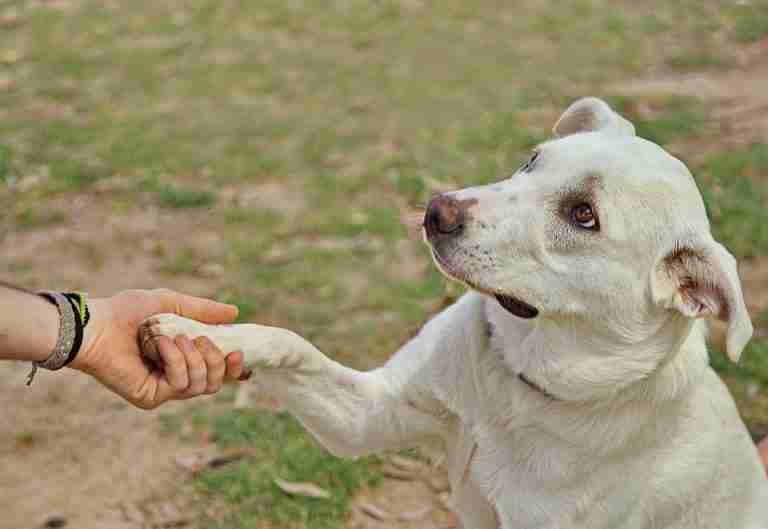
If your dog is hesitant about certain environments, don't force them. Gradual exposure to new experiences, paired with positive reinforcement, can slowly build their confidence. Remember, every small victory is a step towards a trusting relationship.
Consider celebrating milestones in your journey with your rescue dog. Whether it's the first time they approach another dog calmly or their first successful ride in the car without anxiety, acknowledging these achievements reinforces the positive progress both you and your dog are making.
Creating a Safe Space at Home
Beyond the trust walks, creating a safe and comfortable environment at home is essential. Ensure your dog has a designated space where they can retreat and feel secure. This could be a cozy bed or a crate covered with a blanket in a quiet corner.
Introduce new experiences gradually. Whether it's meeting new people, hearing new sounds, or exploring different areas of the house, let your dog set the pace. This controlled exposure helps them feel secure in their new surroundings.
Consider using calming aids like pheromone diffusers or soothing music, which can create a more relaxed atmosphere for your dog. These tools can be particularly helpful during transitions or when introducing new routines.
Joining a Community for Support
Connecting with a community of rescue dog owners can be incredibly beneficial. Sharing experiences and advice with others who understand the journey can provide support and encouragement. Consider joining forums or local groups dedicated to rescue dogs.
Websites like Rescue Dogs 101 offer valuable resources, including tips and personal stories from other rescue dog owners. Engaging with such communities can also provide access to events or meet-ups where you and your dog can socialize in a supportive environment.
Participating in community activities not only benefits you but also offers your dog opportunities to socialize and learn from other dogs, which can enhance their social skills and confidence.
Taking Action Today
Building trust with a rescue dog is a rewarding journey that enriches both lives. Start today by incorporating a trust walk into your routine. Observe your dog's body language, practice positive reinforcement, and create a safe space at home. Each step you take together strengthens the bond and builds a foundation of trust.
The transformation won't happen overnight, but with patience, love, and a bit of understanding, you'll find that your rescue dog becomes a loyal and trusting companion. They may have had a rough start, but with your help, their future can be filled with joy and love.