Creating Connection: Trusting Activities for You and Your New Rescue Dog
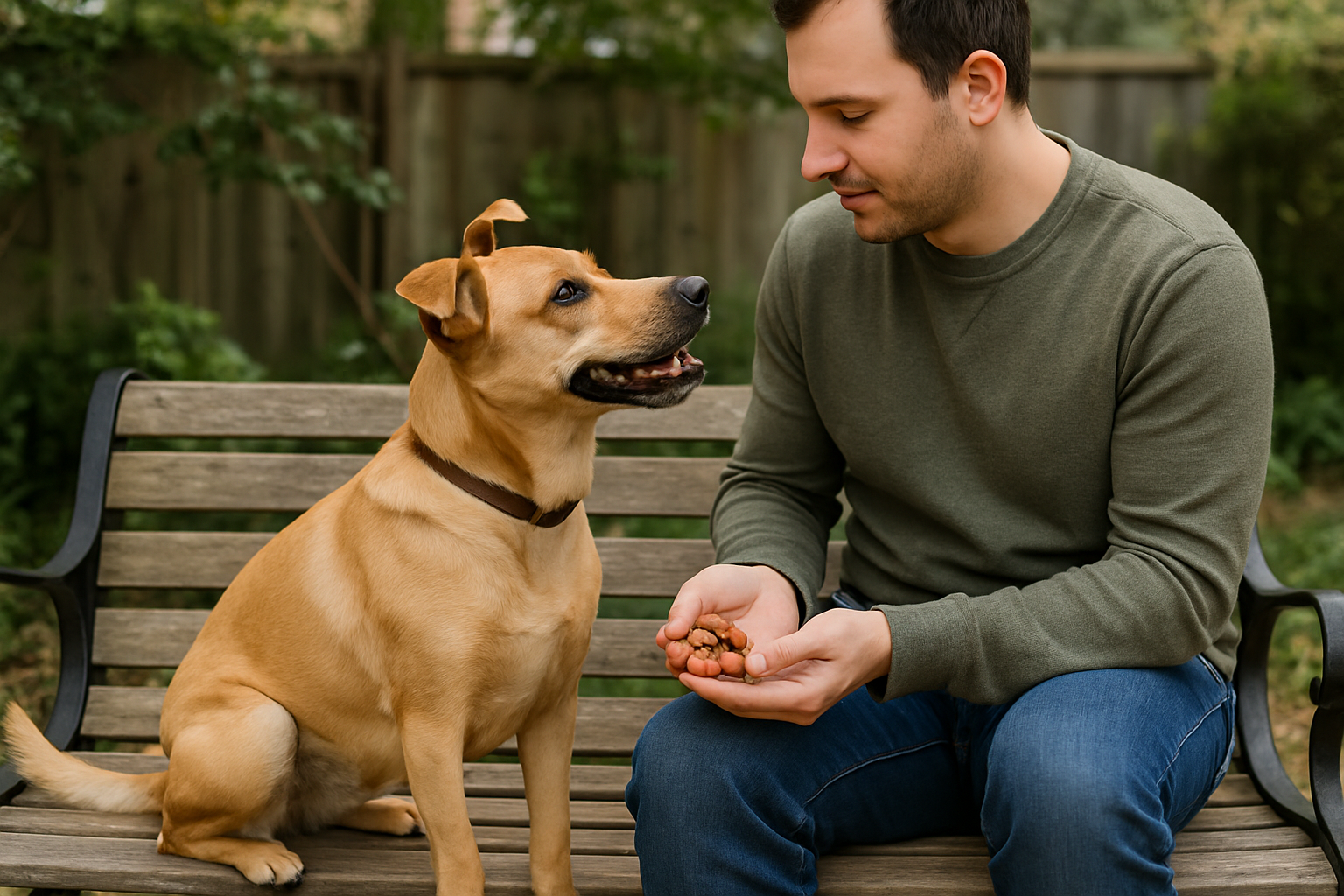
Welcoming a rescue dog into your home is a heartwarming and fulfilling experience. However, it also requires patience, understanding, and commitment to building a relationship based on trust. Every rescue dog comes with a unique history and set of experiences that shape their behavior. Establishing trust can make a significant difference in helping them settle into their new life safely and confidently. This article will guide you through several trust-building activities, using humane, reward-based methods.
The Importance of Trust
Trust forms the foundation of any positive relationship between you and your rescue dog. It fosters a sense of safety, reduces anxiety, and enhances your dog's ability to learn and adapt to their new environment. Building trust takes time and depends largely on recognizing and respecting your dog's needs and boundaries. Approaching your dog with sensitivity will help nurture a stronger connection.
Start with a Safe Space
Before engaging in any activities, ensure your dog has a designated safe space in your home. This space should be a quiet, comfortable area where your dog can retreat whenever they feel overwhelmed. This could be a crate with the door open, a soft bed, or a specific corner. Make this area appealing with comfortable bedding and a few of your dog's favorite toys.
Observing Your Dog’s Body Language
Pay attention to signs of stress or discomfort. If your dog is showing signs such as lip licking, yawning, panting, or avoidance behaviors, they may be feeling overwhelmed. It's crucial to respect these signals and give your dog the space and time they need to adjust.
Consistent Routine
Consistency and predictability help foster trust. Establish a routine for feeding, walks, and playtime. Dogs thrive on routine, and having a regular schedule can help them feel secure. Start with simple routines and gradually introduce more activities as your dog becomes comfortable.
Gradually Increase Interaction
Initially, limit interactions to activities your dog seems comfortable with. Avoid overwhelming your dog with too much too soon. Start with brief, positive interactions and gradually increase duration and complexity as your dog becomes more confident.
Positive Reinforcement: A Foundation of Trust
Positive reinforcement involves rewarding your dog for desired behaviors, making them more likely to repeat those behaviors. Identify treats or rewards your dog likes. Use these to reinforce positive interactions, such as coming to you when called, sitting calmly, or allowing gentle petting.
Bonding Through Play
Play is an excellent way for you to bond with your new dog, but it's important to choose activities that cater to their preferences. For a dog that enjoys retrieving, fetch can be a fun, interactive game. If your dog is more reserved, try interactive toys that allow them to engage at their own pace. Always end playtime on a positive note to keep your dog looking forward to future sessions.
Walks as a Trust-Building Activity
Walking is a universal activity that provides mental and physical stimulation. Start with short, slow walks around your neighborhood where distractions are minimal. Allow your dog to lead the way, stopping whenever they need to explore or take a break. Use treats and praise to reward calm behavior and walking on a loose leash.
Reading Comfort Levels on Walks
Watch your dog’s body language for signs of discomfort, such as pulling away, freezing, or constantly looking around. If your dog seems stressed, guide them back home calmly. Over time, as your dog's confidence builds, you can gradually extend the walks and explore new environments together.
Gentle Handling
Handling exercises can be beneficial in building trust and should start as gently as possible. Begin by simply sitting quietly with your dog, allowing them to approach you. Gradually progress to gentle petting, using a soothing voice and rewarding calm behavior. These sessions should be short and should always end on a positive note.
Patience is Key
Do not rush physical interactions. Watch for subtle signs that your dog is uncomfortable, such as stiffening or moving away. If this happens, back off and give your dog some space. Building trust is about showing respect for their boundaries and comfort levels.
Consult Professionals When Needed
Despite your best efforts, your dog might struggle with certain aspects of trust-building due to past trauma or anxiety. If your dog exhibits extreme fear, aggression, or other behavior issues, it is crucial to consult with a veterinarian or a credentialed behavior professional. They can help identify underlying issues and create a tailored behavior modification plan.
Strengthening the Bond: Concrete Next Steps
Building trust with your rescue dog is an ongoing journey. Celebrate small victories along the way and continue practicing patience and understanding. The bond you form will create a lasting foundation of trust and companionship. Begin today by selecting one gentle activity that fits your dog's comfort level, and mark it as a starting point toward a rewarding relationship built on mutual trust and respect.
Featured image: AI-generated illustration.