
Empowering Your Anxious Rescue Dog: The Power of Positive Reinforcement
Bringing a rescue dog into your home can be one of the most fulfilling experiences. Nevertheless, it is common for rescue dogs to come with a history that leaves them feeling anxious and unsure about their new environmen
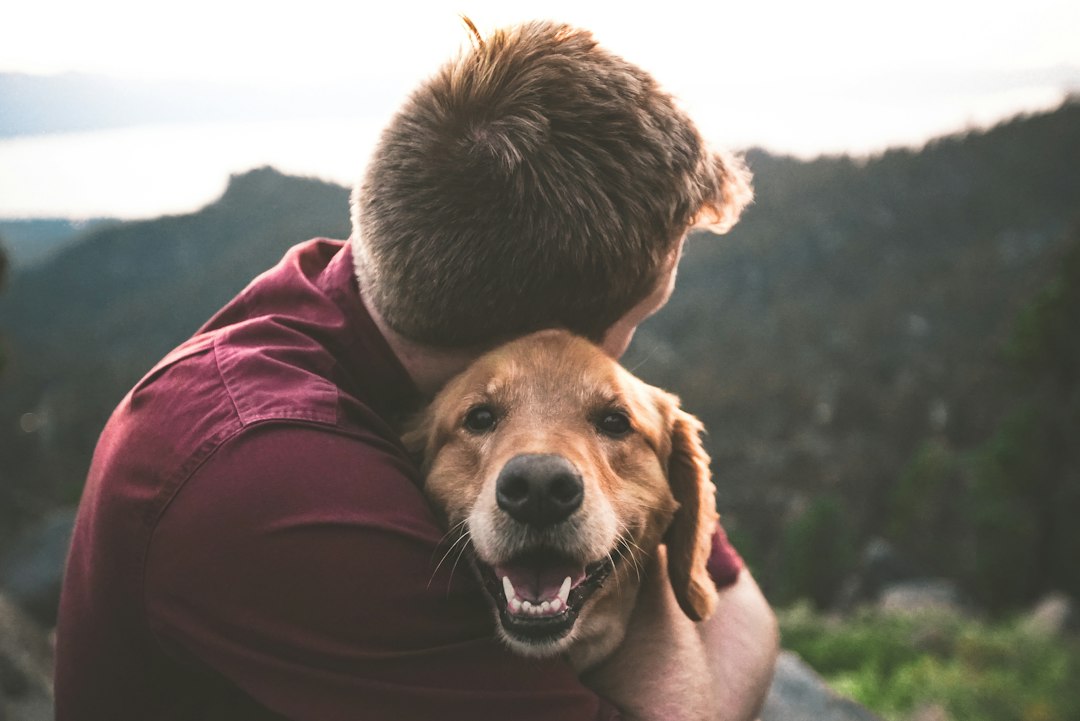
Bringing a rescue dog into your home can be one of the most fulfilling experiences. Nevertheless, it is common for rescue dogs to come with a history that leaves them feeling anxious and unsure about their new environment. This is where positive reinforcement can play an essential role in helping your anxious rescue dog become a confident and happy companion. By understanding your dog's anxiety and employing positive, reward-based strategies, you can foster a trusting and harmonious relationship.
Understanding Your Dog's Anxiety
First, it’s crucial to recognize the signs of anxiety in your rescue dog. Anxiety can manifest in various ways, such as excessive barking, pacing, licking, drooling, or even destructive behavior. Subtle signals like yawning, lip licking, or avoiding eye contact can also indicate discomfort or stress. By paying close attention to your dog's body language, you can intervene early and adjust your approach to help them feel more secure.
The Basics of Positive Reinforcement
Positive reinforcement involves rewarding your dog for desirable behaviors, making those behaviors more likely to be repeated. This method builds your dog's confidence and strengthens your bond, as your dog starts to associate good behavior with pleasant outcomes. Rewards can include treats, toys, verbal praise, or petting—whatever works best to motivate your dog.
Creating a Safe and Comfortable Environment
Before diving into training, ensure your dog feels safe at home. Provide a quiet, comfortable space where they can retreat and relax without disturbances. Consistency is key; maintain a regular routine for feeding, walking, and sleeping to create a sense of predictability. With time, a stable environment will help reduce your dog's anxiety levels.
Building Trust Through Positive Experience
Start by building trust through low-pressure interactions that involve positive reinforcement. A simple "sit" followed by a treat or affection when obeyed can be a great start. Keep training sessions brief and enjoyable, ideally ending on a positive note.
If your dog is too anxious to focus, take a step back. Observe their body language to see what might be triggering their anxiety and remove that stimulus, then try again later. Remember, patience is key.
Introducing New Experiences Gradually
Once your dog is comfortable with basic commands and feels more at ease in their home environment, begin introducing them to new experiences. For instance, short walks in quiet areas can help them adjust to the outside world gradually. Observe their reactions—if you notice signs of stress like raised hackles or tail-tucking, calmly lead them away, and try again the next day.
Using Rewards Effectively
To effectively use rewards, ensure that they are both immediate and appropriate. Offer treats or praise as soon as the desired behavior occurs, so your dog makes a clear connection between their action and the reward. Adjust the reward type and frequency depending on what is most motivating for your dog.
Gradually start using a variable reinforcement schedule—this means not rewarding every single time, but enough to keep your dog positively engaged. However, if anxiety increases, return to a fixed schedule to provide reassurance.
Recognizing Overwhelm and Regression
Anxiety may cause your dog to have setbacks, where they temporarily regress despite previous progress. Watch for signs of overwhelm—panting, whining, restlessness. If these behaviors appear, scale back the new experiences and reinforce basic, comforting practices. Provide more quiet time and return to activities your dog finds rewarding without added stress.
When to Seek Professional Help
In some cases, anxiety may be more profound due to your dog’s past experiences or temperament. If you notice extreme fear, aggression, or compulsive behaviors, it may be time to consult with a veterinarian or a credentialed behavior professional. They can help identify any underlying conditions or provide specialized guidance based on your dog’s unique circumstances.
Consistency and Patience as Your Foundation
Remember that progress takes time, and every dog will adapt at its own pace. Consistency in your routine and patience in your approach are your greatest assets. Celebrate small victories, as these will accumulate into significant progress over time.
Practical Steps to Adapting Positive Reinforcement
As an adopter, it's important to know that building your rescue dog's confidence through positive reinforcement is a journey filled with small, rewarding steps. Begin by choosing a quiet room with minimal distractions where you and your dog can focus on learning new behaviors. Start with simple commands like "sit" or "stay." Each time your dog successfully performs the command, immediately reward them with a treat or verbal praise—whatever sparks their interest the most.
Gradually increase the complexity of your training tasks as your dog becomes more comfortable. For instance, introduce commands such as "come" or "leave it" in a low-stress environment. Remember, every interaction is an opportunity to reinforce positive behavior. If your dog struggles with a command or shows signs of stress—like pinned ears or a tucked tail—pause the session. Allow them some time to relax and then resume with something you know they can succeed at to end the session on a pleasant note.
Navigating Common Obstacles and Adjusting Your Approach
Every rescue dog is unique, and so is the set of challenges they might face in adapting to their new home. Expect some hurdles as you work through anxiety-focused training using positive reinforcement. One common obstacle is overstimulation, where too much noise or too many people can overwhelm your dog. If this occurs, bring them to a quiet space and use calming techniques such as slow petting or offering a favorite quiet toy.
Another challenge could be a lack of motivation due to fear or past traumas. In this scenario, switch to a higher-value reward, such as a special treat they haven't tried yet, to inspire them to overcome their hesitance. Also, incorporate plenty of verbal encouragement and comforting gestures, like a gentle stroke, to instill a sense of safety and belonging.
If your dog resists new environments, keep outings short and sweet. Gradually extend the duration as your dog grows more confident. Remember to celebrate each victory, no matter how minor, to maintain a positive atmosphere. If your dog backslides—showing signs of worry even in previously comfortable settings—take it as a cue to revisit and reinforce foundational exercises rather than pushing them onward too quickly.
Recognizing When Professional Support is Needed
While positive reinforcement can work wonders for many rescue dogs, some may require additional assistance overcoming deep-seated anxiety. Recognize when your efforts are not enough: persistent fear reactions, aggressive outbursts, or avoidance behaviors indicate it may be time for expert help. Certified professional trainers specializing in anxiety or a veterinarian can offer a comprehensive behavioral assessment.
Do not wait for anxiety-driven issues to escalate before seeking assistance. Consider support if your dog's anxious behaviors negatively impact their daily life or routine. Professionals can equip you with tailored strategies, ensuring any underlying medical or behavioral concerns are addressed. A collaborative approach, combining professional guidance with regular reinforcement at home, often yields the best results.
Next Step: Creating a Positive Training Log
Embark on this journey by starting a positive reinforcement training log. Dedicate a notebook to track your dog's progress. Note each session's location, commands practiced, rewards used, and any anxiety indicators witnessed. Record your dog's responses and any adaptations you made.
Review this log regularly to identify patterns and adjust your strategy accordingly. This personal record will be indispensable if you decide to consult with a professional, offering them valuable insights into your dog's experiences.
By remaining patient and focused on positive reinforcement strategies, you are helping your rescue dog overcome anxiety, paving the way for them to become the confident, happy companion you envisioned.
A Concrete Next Step
Begin by conducting a quiet observation session with your dog. Note down any stress signals you identify and the situations causing them. With this information, plan a reward-based training strategy that gradually introduces stimuli associated with these stressors, using high-value rewards to guide your dog toward calm and confident behavior. Share your notes with a professional if you decide additional help is needed, and always keep your commitment to nurturing a trusting relationship with your rescue dog.
By empowering your rescue dog with positive reinforcement and a supportive environment, you are setting the stage for a lifetime of trust, happiness, and companionship.
Featured photo: Photo by Eric Ward on Unsplash.