
Introducing Unfamiliar Objects: A Step-By-Step Guide for Helping Fearful Rescue Dogs
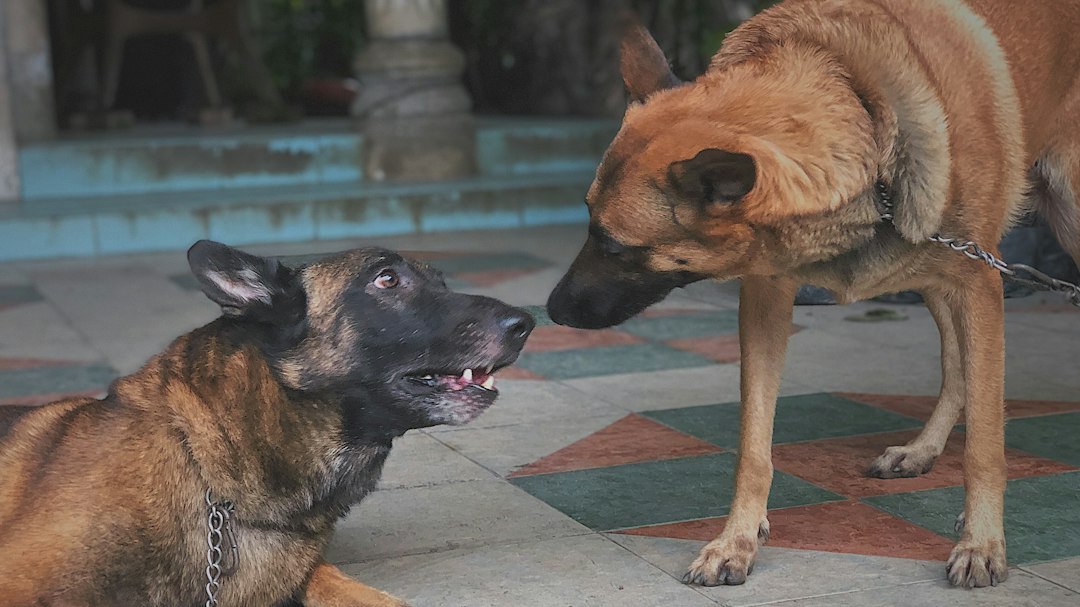
Understanding Why Objects Trigger Fear in Rescue Dogs
Rescue dogs may have histories filled with uncertainty and change, and for many, certain everyday objects can evoke fear. This could be due to a lack of exposure during critical early life stages, past negative experiences, or simply the novelty of the object. Understanding the root causes of your dog's fear can inform your approach and set the stage for a successful introduction process. It's essential to remember that each dog is unique, and their past experiences have shaped their current perceptions and fears.
Unlike us, dogs cannot verbalize their fears, but they can communicate through body language. Observing their reactions to specific objects can provide clues to what triggers their fear, allowing you to adapt your approach. With time and a gentle, understanding attitude, these objects can become less threatening, helping to build your dog's confidence in their environment.
Setting Up a Safe Environment for Introduction
Before introducing a new object, create a safe and controlled environment for your dog. This means choosing a quiet, familiar space where they feel secure and where distractions are minimized. A relaxed environment will help reduce stress, enabling your dog to focus on the new object.
Include familiar items such as their bed or favorite toys to create a comforting atmosphere. These items act as an emotional anchor, offering reassurance as new experiences unfold. It's also vital to avoid overcrowding the space with too many people or animals during this sensitive introduction phase. A calm and spacious setting ensures that your dog is more likely to approach the new object with curiosity rather than fear.
Stepwise Introduction: Distance, Observation, and Choice
Introducing a new object should be a gradual process that respects your dog's boundaries. Begin by maintaining a comfortable distance between the object and your dog. Pay close attention to their body language—signs of fear such as a tucked tail, raised hackles, or avoiding eye contact indicate that you need to increase the distance or halt the introduction temporarily.
Allow your dog to dictate the pace of the interaction. Giving them the autonomy to choose when and how to approach the object fosters trust and empowers them. If your dog prefers to observe from afar initially, honor that choice. Gradually, as they grow more comfortable, they may approach, sniff, or even investigate the object further. Reinforce these moments of curiosity with praise, as they're critical steps in overcoming fear.
Incorporating Play and Treats to Build Positive Associations
One of the most effective ways to help your dog overcome their fear of an object is through positive reinforcement. By associating the object with fun and treats, you can transform it from a source of fear to one of pleasure. Use high-value treats to reward any calm interaction with the object, no matter how minor.
For instance, if your dog is wary of an umbrella, place treats around it. Let your dog explore at their pace, and offer verbal praise for any positive interaction. Integrating play can also be beneficial—perhaps use the object as part of a game they enjoy. This not only reduces fear but gradually makes the object seem inconsequential in their realm of play.
Celebrating Progress and Managing Setbacks
Every small step forward deserves celebration. Whether your dog sniffs an object or simply gazes at it without fear, these are moments of progress. It's important to maintain patience and understanding throughout the process. Be prepared for setbacks—they’re a natural part of learning. Should your dog exhibit stress, take a step back or revisit a previous stage where they were more comfortable.
Consistency is the key, and sometimes professional help is valuable. A trainer experienced in fear-based behaviors can offer tailored strategies that cater to your dog's unique needs, providing support as you work toward building confidence.
Understanding Your Dog's Body Language: Key Signs to Watch
Recognizing your rescue dog's body language is crucial in gauging their comfort level and readiness to engage with new objects. When exposing your dog to something unfamiliar, watch for subtle cues indicating stress or curiosity. Signs such as yawning, lip licking, or turning away can suggest anxiety or an increase in stress levels. On the other hand, if your dog exhibits a relaxed posture, loose tail wagging, or curious sniffing, these indicate curiosity and some level of comfort.
Importantly, never force your dog to approach an object or push them beyond their comfort zone. This can lead to increased fear and possibly make the object even more daunting for them. Instead, use these cues to adjust your strategy. If your dog appears scared, go back a step or increase the distance between them and the object. Using this approach helps in setting the pace, ensuring a smoother, less stressful experience for your pet.
Tailoring a Slow Progression Plan
A stepwise introduction plan is integral to helping your fearful rescue dog overcome the anxiety associated with novel objects. This plan should be tailored to your dog's pace and style, not a rigid schedule. The following progression steps provide a framework, but remember to adjust according to your dog's unique responses.
Start at a Distance: Begin by placing the object at a significant distance from your dog where they can see it but not feel threatened by its presence. This can simply mean leaving the object in the corner of the room while your dog goes about their usual activities.
Observe While Adding Interaction: Gradually decrease the distance over several sessions, rewarding calm behavior with treats and praise. If, at any point, your dog shows signs of fear, return to a previous step. This might mean letting the object remain part of the background while you engage your dog with a favorite toy or game, helping them adapt without direct pressure.
Incremental Movement: Once proximity becomes less of an issue, you can introduce small movements with the object, such as gently tapping a hat on your knee or slowly opening the umbrella. Always keep a close eye on your dog's reaction to these actions.
Active Engagement: When your dog appears curious, encourage them to interact with the object. You might scatter treats around and on the object, turning sniffing into a reward-laden activity. Always allow them to dictate how close they get or how long they stay.
A Professional's Touch: Knowing When to Seek Help
Despite consistent efforts, some rescue dogs continue to struggle significantly with fear. If you find your dog consistently unable to overcome their anxiety despite a gradual and supportive approach, it might be time to consult a professional dog behaviorist.
An experienced professional can provide valuable insights and customized strategies tailored for your dog. They may also identify underlying issues that could be contributing to your dog's reactions, which can be invaluable for creating a long-term plan that supports your dog's emotional health.
Remember, consulting a professional doesn’t mean you’ve failed your dog. On the contrary, it demonstrates your commitment to providing the best support possible, reflecting the deep bond and trust you’re working hard to build. With time, patience, and sometimes a bit of expert help, your fearful rescue dog can learn to see the world—and its many objects—as a less threatening, more loving place.
Taking the Next Step
Helping your rescue dog overcome their fear of unfamiliar objects is a journey that requires patience and consistency. By creating positive experiences, you assist them in gaining confidence and resilience. Remember, every success, no matter how small, is significant on this journey. Continue observing your dog's cues, celebrating their progress, and respecting their pace. With each step, the bond between you and your rescue dog deepens, reinforcing the trust they've placed in you. Keep encouraging, rewarding, and loving—they’re small steps, but they make a world of difference.
Featured photo: Photo by Min Square_97 on Unsplash.