
Mindful Mealtimes: Transforming Your Rescue Dog's Food Guarding Behavior
Help your dog feel safer at mealtimes with a quiet feeding space, a predictable routine, and reward-based trust-building.
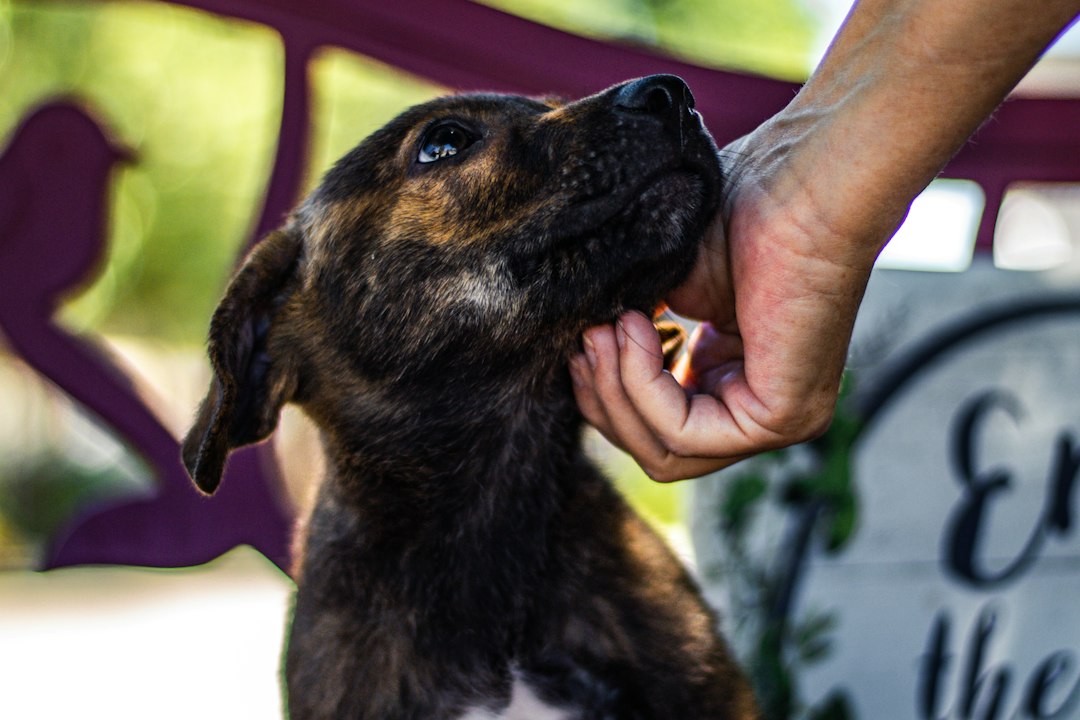
Adopting a rescue dog comes with its own set of joys and challenges. One of the more common issues new adopters may encounter is food guarding. This behavior, where a dog becomes protective of its food, often stems from past experiences and insecurity. Understanding this behavior and addressing it with mindful, humane strategies can lead to a more harmonious relationship with your new furry family member. This article aims to guide you through transforming your rescue dog's food guarding behavior using respectful, reward-based methods.
Understanding Food Guarding
Food guarding is a natural canine instinct that can become exaggerated in some dogs, especially those who may have experienced scarcity or neglect in their past. Key behaviors to watch for include stiffening over the food bowl, growling, freezing, or snapping. These actions signal discomfort and anxiety rather than aggression. Recognizing these signs is crucial for your intervention to be effective and compassionate.
Creating a Safe Mealtime Environment
The first step in addressing food guarding is ensuring your dog feels secure while eating. Start by creating a designated, quiet feeding area where your dog can relax without feeling threatened. This space should be free from other pets and disturbances, allowing your dog to eat at their own pace without any perceived competition or threat.
Building Trust Through Consistent Routine
Consistency is key to helping your rescue dog feel safe. Establish a regular feeding schedule to create predictability. It shows your dog that food is a reliable resource, and they don't need to guard it so fiercely. Begin by placing the food bowl down at predictable times and quietly leave the room. Returning only once your dog has finished eating reinforces their sense of security.
Introducing the Hand-Feeding Technique
Hand-feeding can be an excellent way to build trust and reduce guarding behavior. Start this process when your dog is calm and relaxed. Sit beside them and offer a few pieces of kibble directly from your hand, gradually progressing to placing food in the bowl while holding it. This technique can help your dog associate your presence during meals with positive experiences and rewards.
Observing and Interpreting Body Language
Reading your dog's body language is critical in preventing and addressing food guarding. Signs of stress or anxiety, such as a tucked tail, lip licking, or a rigid body, indicate that your dog may be feeling overwhelmed. If you notice such signals, step back and give your canine companion some space. Never force interactions, as this can exacerbate the guarding behavior.
Gradual Desensitization and Counterconditioning
Desensitization involves exposing your dog to the triggers of their guarding behavior in a controlled, gradual manner. For example, start by standing at a comfortable distance from your dog as they eat their meal. Over time, slowly move closer, always observing your dog's comfort levels and body language. Counterconditioning entails changing your pet's emotional response to the presence of humans near their food, often through reward association. When your dog shows relaxed behavior in your presence, offer praise or treats.
What To Do When Your Dog Feels Overwhelmed
If your dog shows signs of distress despite your efforts, it may be necessary to reassess your approach. Remember that progress can be slow, and setbacks can occur. If your dog becomes anxious, take a step back and reevaluate your methods. Sometimes, it helps to return to more basic interactions, such as sitting calmly near your dog while they eat, without touching the food bowl or attempting hand-feeding.
Knowing When to Seek Professional Help
While many food-guarding behaviors can be managed at home, there are instances when professional intervention is warranted. If your dog displays extreme aggression, escalating anxiety, or if the behavior doesn't improve with consistent training, consulting a veterinarian or a credentialed behavior professional is wise. These experts can provide tailored strategies and may identify underlying medical conditions contributing to the behavior.
Ensuring a Positive Mealtime Journey
Transforming food-guarding behavior in rescue dogs requires patience, understanding, and a commitment to using humane, reward-based training techniques. By creating a safe environment, establishing trust, and gradually desensitizing your dog to triggers, you can help your new companion feel more secure and at ease.
The journey toward positive mealtimes can take time, but each small step forward builds a stronger bond between you and your rescue dog. As you continue to work with your furry friend, remember to celebrate the progress you've made, and most importantly, enjoy the rewarding experience of helping them feel at home.
A Step-by-Step Adjustment Plan
When welcoming a newly adopted rescue dog, especially one exhibiting food-guard guarding behavior, it's crucial to approach the situation with patience and respect. The following step-by-step plan can guide you in gradually helping your dog feel more secure during meals:
Initial Observation: Before taking any action, spend a few days observing your dog's behavior around food without direct intervention. Note any particular triggers or stress signals they exhibit, such as growling or body rigidity.
Controlled Feeding Routine: Begin by offering meals at specific times and in a designated area. Keep your presence calm and non-threatening by initially staying at a distance where your dog feels comfortable.
Incremental Trust Building: Progress gradually by sitting further away initially, and over successive meals, move closer to your dog. Use positive reinforcements—such as calmly spoken praise or placing a small treat nearby—to build association with pleasant outcomes as you encroach on their eating space.
Introduce Mild Distractions: Once your dog is more relaxed with your presence, gently introduce slight distractions, like softly announcing your presence from a distance, to aid in conditioning them to accept interruptions without stress.
One-on-One Hand Feeding: When your dog can eat peacefully with you nearby, try transitioning to hand feeding. Sit close and offer a few kibble pieces; this rewards them for maintaining calmness and reinforces trust directly linked to your presence. Do this step only when you feel confident and safe.
Alternate Intervention Methods (If Needed): If signs of anxiety persist, consider utilizing safe barriers, such as a baby gate during feeding, to minimize stress while allowing observation. Let your dog eat undisturbed for a few meals and gradually reintroduce positive steps once they've calmed.
Overcoming Common Obstacles
Adopters often face hurdles when addressing food guarding. Preparing for these and adapting ensures smoother progress:
Unexpected Setbacks: Dogs might revert to guarding behaviors due to new stressors or changes at home. If this happens, revert to a previous successful step and slowly progress again.
Family Dynamics: In multi-dog households or with children, extra caution is essential. Ensure everyone respects the dog's space during meals and understands the ongoing training processes.
Resource Availability: Limit access to freely available food elsewhere in the environment, like open garbage bins or unattended plates. This ensures your dog understands when and where food is consistently available and safe.
Monitoring and Professional Consultation
Watch for subtle changes in your dog's demeanor during meals. Signs of stress—like excessive yawning, avoiding eye contact, or sudden body freezing—indicate a need to reassess your approach. Slower progression may be required, paired with additional reinforcement to help your dog stay relaxed.
Consult with a professional if:
Aggression Escalates: Immediate help is needed if growling progresses to lunging or biting, suggesting the dog feels overly threatened.
Little to No Progress: If food guarding persists despite consistent effort over several weeks, professional insights can identify missed cues or alternate approaches.
Underlying Health Concerns: Sudden changes in behavior could suggest health issues. Your veterinarian can rule out pain or medical conditions contributing to or exacerbating guarding behaviors.
Building a Lifetime of Trust
Helping your rescue dog move beyond food guarding is a journey enriched with opportunities to strengthen your bond. As your dog progressively associates mealtime with safety and trust, remember to celebrate even the smallest improvements. Patience and love are vital—by prioritizing both, you're crafting a supportive and comforting environment for your dog.
Your next step might be to engage a professional to join your effort, validate your approach, or refine strategies specifically for your dog's needs. Investing time in this relationship not only transforms mealtime but also lays the foundation for a deeper, lifelong connection.
Next Steps: Leaving a Legacy of Trust
As you cultivate a sense of security during mealtimes for your dog, consider documenting your approach and progress. Not only can this serve as a helpful guide for future adopters, but it can also track the growth and comfort your dog achieves. With each mealtime, inch closer to creating an enduring legacy of trust and companionship with your rescue dog.
Featured photo: Photo by Madeline Bowen on Unsplash.