
Teaching a Rescue Dog to Settle on a Mat: Building Calm Focus Anywhere
Why Mat Training Matters for Rescue Dogs
Adopting a rescue dog is a fulfilling journey, but it can also present unique challenges, especially when helping them adapt to new environments. One practical skill that often gets overlooked is teaching your dog to settle on a mat. This skill isn't just handy for your home; it empowers your dog to relax and focus in unfamiliar or bustling settings like vet visits, cafés, or when guests visit your home. In short, mat training can provide your rescue dog with a portable "safe space," promoting calmness and self-regulation wherever you are.
Choosing the Right Mat and Setting Up for Success
Before diving into training, selecting the right mat is crucial. It's important to choose a mat that is comfortable, durable, and easy to transport. A non-slip bottom can also prevent it from moving around too much, which can be unsettling for your dog. Once you've chosen a suitable mat, place it in a quiet area of your home free from distractions as you begin the initial stages of training.
Ensure you also have your training essentials on hand—small, soft treats that your dog loves, a clicker (if you use clicker training), and plenty of patience. Prepare to associate the mat with positive experiences and calm states of mind.
Step-by-Step: Introducing the Mat with Reward-Based Training
Initial Introduction: Start by simply laying the mat down and allowing your dog to explore it at their own pace. Reward them with treats and praise when they show interest in it. The goal here is to establish the mat as a positively reinforced object.
Name the Behavior: Once your dog is comfortable investigating the mat, start associating a cue word like "settle" or "mat" with their presence on the mat. When your dog steps on the mat, say the cue word and immediately reward them.
Encouraging Spontaneous Settling: Begin to reward your dog when they naturally sit or lie down on the mat. You can guide them into these positions using hand signals or treats if necessary. This step is about helping them understand that settling leads to rewards.
Positive Reinforcement and Repetition: Continue this process until your dog begins to associate the mat with settling and relaxation. Remember, consistency and gentle reinforcement are key. Avoid forcing your dog onto the mat, which can create negative associations.
Building Duration and Adding Everyday Distractions
As your dog becomes more comfortable with settling on the mat, it's time to gradually increase the time they spend there and introduce real-world distractions.
Extending Time: Encourage longer durations on the mat by slowly increasing the time between rewards. Start with a few seconds and gradually work up to several minutes.
Introducing Distractions: Once your dog can stay on the mat for a longer period, add mild distractions, such as standing up, moving around, and eventually walking away. Always return before they decide to get up, rewarding them for staying.
Cautious Diversification: If your dog starts getting up when faced with a distraction, take a step back and lessen the distraction level before trying again. Use body language to show calmness and maintain a soothing tone to help your dog feel secure.
Applying Mat Training in Real-Life Situations
With a solid foundation in place, it's time to start applying mat training in various real-life scenarios, enhancing your dog's ability to stay calm and focused wherever you go.
Hosting Guests: Place the mat in a common area when expecting visitors. Have your dog practice settling as guests arrive, rewarding them for calm behavior. This can help reduce anxiety and promote positive interactions.
Vet Visits: Bring the mat along during vet visits. Before entering, allow your dog to settle on the mat outside or in the waiting room, creating a familiar and calming ritual that can alleviate stress.
Café Outings: Bring the mat for a coffee or a meal outdoors. Lay it down next to your seat and guide your dog to settle. Praise and reward them as they remain calm amidst the bustle of a café environment.
Busy Households: In a lively household, the mat can serve as a defined area where your dog knows they can retreat and relax, aiding in self-regulation amidst the chaos.
Overcoming Initial Hesitations and Building Positive Associations
When you first introduce the mat to your rescue dog, you may encounter hesitation or avoidance. This is perfectly normal, especially for dogs with past traumas or anxieties. It's crucial to be patient and understanding during this initial phase.
Gentle Encouragement: Place the mat in a familiar and comfortable area for your dog. Allow them to approach it on their terms, without coaxing or pulling them towards it. If they seem wary, try sitting on or near the mat yourself, which might entice them with your presence.
Using Favorite Toys or Treats: Place a few of your dog's favorite treats or toys on the mat to encourage exploration. When they step onto the mat, offer praise and a reward. If they engage with the toys or stay on the mat, even briefly, reinforce this positive experience with additional treats.
Observing Body Language: Keep an eye on your dog's body language for signs of comfort or anxiety. Relaxed ears, a wagging tail, and sniffing indicate curiosity and acceptance. Conversely, a tucked tail or avoiding eye contact may require you to slow down and give them space.
Overcoming the initial reluctance through positive associations sets a foundation for successful mat training.
Gradually Incorporating Movement and Building Confidence
Once your dog is comfortable with settling on the mat, you can begin introducing movement and gradually extend their boundaries of comfort and confidence.
Incorporating Movement: Start moving around the room while your dog stays on the mat, using treats to reward them for remaining calm. This will teach your dog to associate your movement with positive outcomes instead of anxiety or distraction.
Retrieving Items: While your dog remains on the mat, move away to pick up a nearby object, returning to reward their calmness. Over time, increase the distance and level of complexity of tasks you perform while your dog stays settled, reinforcing their self-regulation skills.
Caution with Progress: If your dog becomes restless or gets up from the mat, avoid scolding or punishing them. Instead, calmly lead them back to the mat, reinforcing desired behavior with praise when they resettle. Be mindful of raising the difficulty level too quickly; incrementally moving forward is key.
This gradual introduction of dynamic routines helps build your dog’s confidence, preparing them for more complex and lively environments.
Leveraging Mat Training in Stressful Situations
Real-life applications of mat training go beyond quiet home settings. By extending training to unpredictable or stressful scenarios, you empower your rescue dog to remain calm in diverse situations.
Handling Unexpected Encounters: Whether it’s a surprise visitor or an unexpected stop during a walk, having the mat handy can provide a quick tool for settling. Practice setting the mat down spontaneously, rewarding your dog for sitting or lying down calmly despite the surprise.
Navigating Busy Public Spaces: If you plan to take your dog to places like outdoor markets or community gatherings, practice using the mat at home with simulated distractions to prepare. During the actual outing, find a spot to lay the mat where your dog can people-watch from a safe distance, rewarding them for staying calm.
Cautious Introduction to New Experiences: When introducing your dog to a new activity—such as participating in a dog training class or meeting new canine friends—bring the mat as a constant source of comfort and familiarity. Use it to take breaks and recharge amidst overwhelming sensory inputs.
In real-life scenarios filled with potential stressors, the mat becomes a pivotal tool in ensuring your dog’s emotional well-being and promoting positive social engagement.
Taking Mat Training Further: Consistency Is Key
As you advance in your training, maintaining consistency in how, when, and where you use the mat will cement your dog's understanding and reliability in settling down. Make it a regular part of daily routines, and adapt it to new environments gradually.
Frequent brief training sessions, ongoing positive reinforcement, and slowly extending the dog's exposure to different settings will deepen their ability to remain calm and focused through life's unpredictable moments. Your patience and proactive approach pave the way for meaningful companionship and adventure.
The Next Step: Consistency and Confidence
Training a rescue dog to settle on a mat is about building trust, consistency, and confidence. Remember to remain patient and adjust your approach based on your dog's individual responses. The success of mat training lies in developing a skill that your furry friend can rely on in all sorts of situations.
As you continue reinforcing this behavior, reflect on how mat training can be expanded to other aspects of your dog's life, ultimately enhancing their ability to cope and thrive in a variety of environments. Through practice and positive experiences, you'll create a calmer, more focused companion ready to take on adventures at your side.
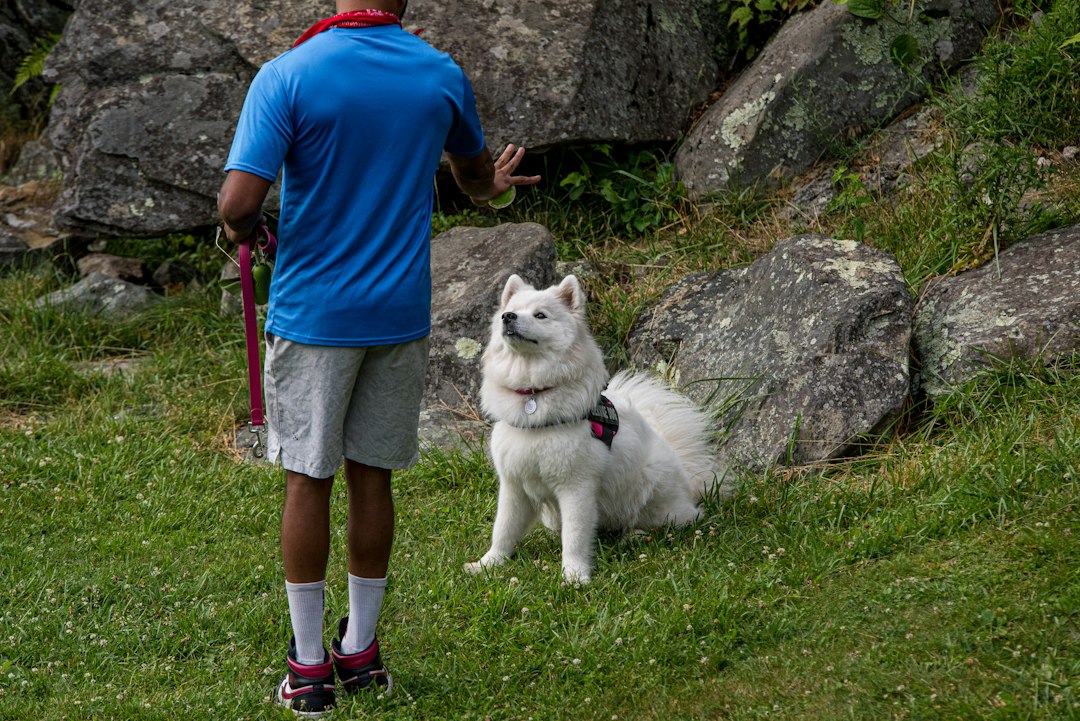
Featured photo: Photo by Wen Zhu on Unsplash.