
Teaching Your Rescue Dog to Enjoy Alone Time: Calm Independence with Positive Training
Why 'Alone Time' Is Hard for Rescue Dogs (And Why It Matters)
Adopting a rescue dog can be a joyous, life-changing event, but it often comes with its own set of challenges. One significant hurdle many adopters face is teaching their new furry friend to be comfortable during alone time. Unlike raising a puppy from birth with consistent experiences, rescue dogs often have unpredictable backgrounds. Their previous experiences might include abandonment, neglect, or too many changes, which can manifest as separation anxiety or fear of being alone. These difficulties make it challenging for your new pet to feel safe when left in solitude, leading to distress behaviors like whining, pacing, or destructive chewing.
However, independent play and rest times are crucial for both dogs and their humans. For your dog, alone time is an opportunity to relax, explore their environment safely, and engage in independent play, contributing to their overall well-being. As a pet owner, being able to leave the house without worry about your dog's mental state can significantly improve your quality of life. Teaching your rescue dog to enjoy alone time, therefore, becomes essential. The goal is to build their confidence until they feel secure even without your immediate presence, maintaining harmony in your home.
Setting the Stage: Preparing the Home and Tools
Before beginning any training, take time to prepare your home environment thoughtfully. A well-prepared area can make a significant difference in how your dog perceives their time alone. Start by identifying a specific, comfortable space in your home where your dog will spend their solo time. This can be a sectioned-off area using baby gates or a designated quiet room.
Furnish their space with cozy bedding, water, and chew-proof interactive toys that can engage them mentally and physically. Puzzle toys that dispense treats or kibble can offer your dog the delightful challenge of earning a reward, keeping them occupied and content. Consider using calming scents, such as lavender or chamomile, or playing soft music designed specifically for dogs to create a soothing atmosphere.
Consider setting up a pet camera to monitor their behavior discreetly when you're away. This can help you understand what stages in the training process trigger stress, allowing you to make necessary adjustments. With these preparations, you'll create an inviting and safe environment, laying the foundation for trust and independence.
The Gradual Absence Game: Step-by-Step Sessions for Building Calm Independence
The key to teaching your rescue dog to embrace alone time is gradual exposure, ensuring they can stay relaxed each step of the way. Here is a step-by-step approach to systematically build their confidence:
Step 1: Micro Exits
Begin with micro exits—literally seconds long—and within view of your dog. Step out of the room briefly, then re-enter calmly. The goal here is to stay under their threshold of anxiety, helping them realize that even if you leave, you will come back. Reward calm behavior with gentle praise or a small treat upon your return.
Step 2: Extend Duration Gradually
Slowly extend the length of your absence, from seconds to a minute and longer, over days or weeks. Take note of your dog's body language for signs of stress. If they remain calm, continue rewarding them upon return; if stress arises, shorten the absence on the next try and proceed slower.
Step 3: Increment of Change
Once your dog consistently remains calm for up to fifteen minutes, think about varying the time intervals. Continue random departures and returns, ensuring the duration of your stays away are not predictable. The random nature of the training mimics natural departure habits, preventing stress built from anticipation.
Step 4: Real-World Departures
When they're comfortable with in-house absences, begin practicing with actual door exits, including entering and exiting through the main front door. Start with brief exits from the house, eventually working up to leaving for short errands.
Troubleshooting: Signs of Stress, When to Pause, and Adjustments for Success
Not every dog will respond to training in the same way. Knowing how to identify signs of stress is vital. Common stress indicators include barking, destructive behavior, or accidents despite being house-trained.
If you notice these behaviors, pause your training and consider regression to a previous, more comfortable stage. It is important to remember that moving too quickly can erode your dog's confidence, making it harder for them to trust the process. Always prioritize low-anxiety exposure.
If progress stalls, consider consulting a professional dog trainer who specializes in positive reinforcement and behavior modification. They can provide a personalized plan tailored to your dog's specific needs.
Generalizing Calm: Practicing Alone Time in New Spaces and Routines
As your dog becomes more adept at being alone, it's essential to generalize their comfort levels to new environments and routines. Practice alone time in various household areas and incorporate different elements, like new ambient sounds or changing furniture arrangements.
Moreover, try replicating the alone times at different parts of the day. Dogs can associate certain times with higher anxiety due to predictability, so varied timings can alleviate some of this stress.
Encourage family members or housemates to practice the same methods, ensuring your pooch remains comfortable when any family member leaves.
Concluding Steps Forward
After thorough preparation and patient training, your rescue dog should have a much stronger sense of calm when left alone. The long-term goal is not just household harmony but your dog's overall happiness and confidence. You and your rescue dog have taken the first steps towards developing a trusting bond, fostering reassurance in both presence and absence.
Your next endeavor? Keep the momentum going! Integrating varying exercises, new enrichment toys, and consistent, calm interactions can strengthen this newly built independence. Remember, patience and praise remain your most valuable tools in supporting this journey to calm, confident independence.
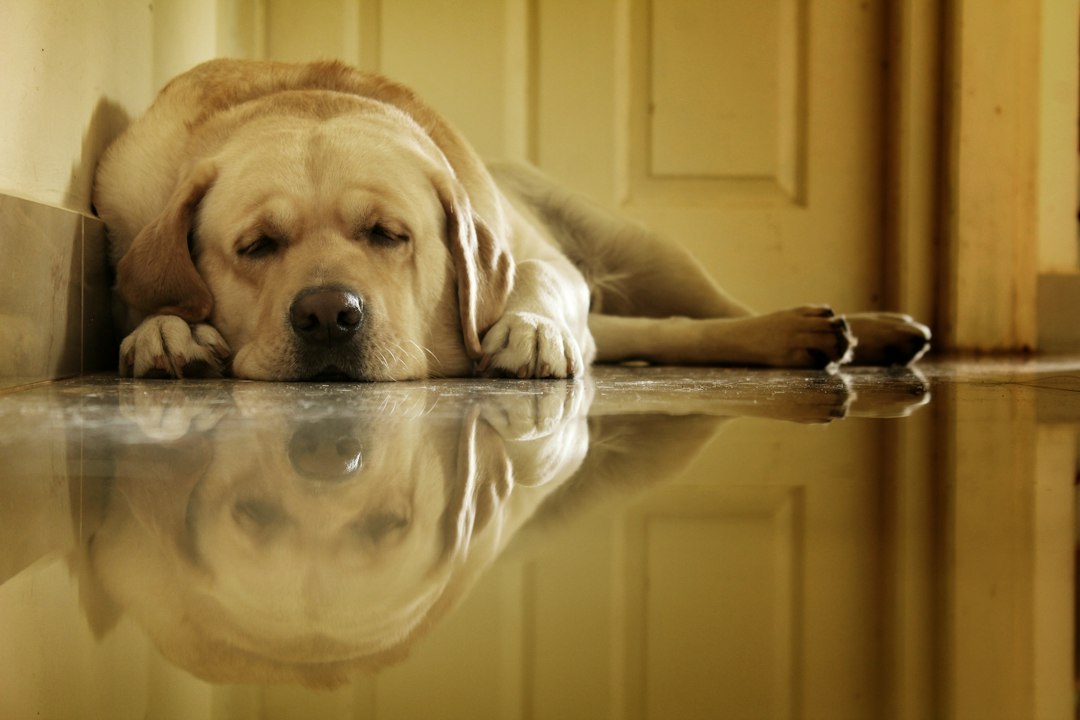
Featured photo: Photo by Archana Rajendran on Unsplash.