
Teaching Your Rescue Dog to Relax When Guests Arrive: A Calm Greeting Protocol
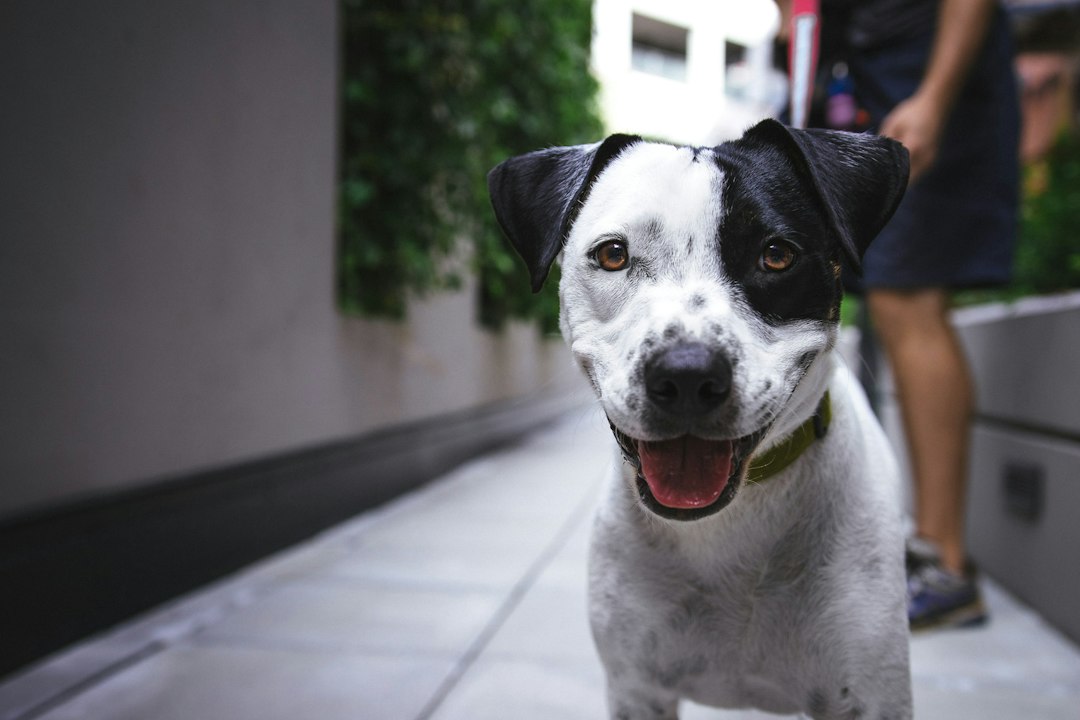
Welcoming guests into your home should be a joyful experience, but for many adopters of rescue dogs, it can transform into a challenge when these beloved companions respond with fear or anxiety at the sight of new faces. It's not uncommon for rescue dogs to react with barking, hiding, or even attempting to escape when visitors come in. Their past experiences may have shaped these reactions, but as their new advocate and friend, you have the tools to guide them toward more peaceful interactions. Readers will benefit from a structured approach using positive reinforcement to teach their dogs to calmly greet visitors—a skill that strengthens both your dog's confidence and your relationship.
Understanding Why Rescue Dogs May Fear Visitors
Rescue dogs often come with an unknown history, which might include trauma, neglect, or a lack of socialization. Such backgrounds can result in heightened sensitivity to new or unexpected situations, like the arrival of visitors. Your dog's wariness might manifest as barking, retreating, or attempting to flee. Each of these reactions is rooted in fear-based behavior, showcasing a need for safety and predictability in potentially threatening scenarios.
Understanding this background is the first step toward empathy and patience in training. Realize that your dog's behavior isn't meant to be difficult; it's a protective mechanism developed out of necessity. The goal, therefore, is not to change your dog’s nature, but to reassure them that the presence of visitors is a positive experience.
Pre-Arrival Preparation: Success Starts Before the Doorbell Rings
Preparation is crucial in setting your dog up for success. Start by creating a safe environment where your dog feels secure. This space might be a cozy corner with their bed and some toys or a designated "safe room" where they can retreat to calm down if needed.
Before your guests arrive, make sure to establish a routine that signals impending visitors without causing anxiety. For instance, play calming music, offer a favorite treat, or engage in a brief play session. This approach helps associate visitor arrivals with positive experiences. If your dog understands that good things happen before the guests arrive, their anxiety is likely to decrease.
Additionally, instruct your guests to approach slowly, avoid direct eye contact, and allow the dog to come to them. Placing guests at your dog's level of comfort minimizes pressure and fosters a peaceful, welcoming environment.
Step-by-Step Positive Reinforcement for Calm Greetings
Creating a calm greeting protocol involves consistent practice and positive reinforcement. Here's a simple framework to guide your training sessions:
Desensitization to Door Signals: Start by desensitizing your dog to the doorbell or knock. Pair the sound with a treat every time it happens without introducing the excitement of actual visitors. Once your dog is comfortable, try opening and closing the door without anyone entering.
Reward Calmness: When guests do arrive, reward your dog for any calm behavior they show. This might be as simple as a glance away from the door, settled sitting, or quiet vocalizing. Praise and treats should immediately follow these positive actions, reinforcing that calmness equals rewards.
Gradual Guest Introduction: Begin with introducing your dog to one guest at a time. Use a leash if necessary to manage the interaction. Keep initial introductions brief, gradually extending the time as your dog grows more secure. Remember to observe your dog's body language, watching for signs of stress or comfort.
Positive Associations with Guests: Encourage guests to offer treats from afar, reinforcing that people bring good things. This can make your dog more amiable toward guests since they'll begin associating new individuals with rewards.
Regular repetition of this protocol can gradually rewire your dog’s response to what was once a stressful event. Consistency is key to developing a reliable behavior pattern.
Recognizing Fearful Behavior Before It Escalates
To effectively help your rescue dog overcome their fear of visitors, it's vital to recognize the early signs of anxiety and nervousness, allowing you to intervene before these feelings escalate into panic or defensive reactions. Understanding your dog’s body language is the first step. Subtle signals such as lip licking, yawning, turning away, or freezing should be noted and acknowledged as early indicators of stress. Once you recognize these signs, it’s crucial to implement calming strategies immediately, such as redirecting their focus with a simple command like "sit" or "look at me," while rewarding them for their compliance with treats or praise.
When a dog’s fear response begins to heighten, they may display more prominent behaviors such as barking or attempting to retreat. At this point, it's essential to give them space and not force interaction. Create distance between your dog and the triggering scenario by guiding them to their safe zone, if they don't retreat themselves. Giving them the choice to observe from a safe distance reinforces a sense of control, which is often enough to help them relax.
Utilizing body language adjustments can also aid in managing your dog’s stress. For instance, maintain a soft posture and speak in calm tones to reduce their anxiety. Encourage your guests to do the same by using slow, non-threatening movements, and refrain from bending over or reaching out directly, which dogs might perceive as confrontational.
Creating a Visitor Routine for Predictability
A visitor routine can help your rescue dog gain a sense of predictability, making the arrival of guests less intimidating. Establishing a ritual that happens each time someone enters your home can alleviate the unpredictability of these interactions. For example, designate a routine that involves guiding your dog to their mat or specified area as soon as the doorbell rings, and reward them for complying with tasty treats or play. This routine helps them anticipate the sequence of events: from sound of the door to guest interaction while focusing on something positive.
Additionally, consider scheduling regular low-pressure "practice visits" with a trusted friend or family member. These should be short and structured specifically to provide opportunities for reinforcing calm behavior. The familiarity gained through scheduled interactions can help your dog build confidence in their routine and reduce anxiety over time.
For dogs that feel overwhelmed by groups, start the practice with just one visitor at a time. Gradually increase the number of people as your dog becomes more at ease. Tailoring the routine to your dog’s comfort level ensures that they are never pushed beyond their threshold, preventing setbacks and ingraining comfort through positive experiences.
Troubleshooting Common Challenges and Avoiding Setbacks
During the training process, you may encounter situations where your rescue dog regresses or doesn’t follow the expected behavior. Setbacks are a normal part of behavioral adjustment and should be approached with patience and understanding. Avoid punishing your dog for unwanted responses, as this can increase anxiety and disrupt trust. Instead, revert to previous successful steps and rebuild from there.
A common challenge is guests who aren't familiar with the protocol. Before their arrival, ensure they understand the plan, emphasizing the importance of non-threatening interactions and why following the process is essential for your dog’s progress. Encourage them to contribute positively by offering treats once your dog has shown signs of comfort, building that positive association with guests.
If your dog is consistently struggling despite your efforts, consider enlisting the help of a certified professional dog trainer or behaviorist with experience in fear-based issues. They can offer expert guidance and personalized strategies that can make a significant difference in addressing your dog’s concerns more effectively.
Progress and Patience: Your Path Forward
Embarking on this journey with your rescue dog requires equal parts commitment and compassion. Keep in mind that steady, incremental progress often leads to more lasting changes than rapid, forced adaptations. Celebrate every milestone, no matter how small, and remain optimistic about the road ahead. With continual effort and consistent positive reinforcement, your dog will not only learn to coexist with visitors but may also develop newfound enthusiasm for meeting new people, reinforcing the rewarding bond that brought you together.
Managing Setbacks and Building Consistency Over Time
Progress isn't always linear. On occasions where your dog regresses or doesn’t respond as expected, it's crucial to remain patient and reassuring. Keep training sessions short to prevent overwhelming your dog, returning to foundational steps if necessary.
Building consistency requires involving every member of the household. Ensure that everyone is aware of and follows the protocol to avoid confusion. Consistence communication reinforces structured learning for your dog.
If your dog continues to struggle with anxiety despite these efforts, seeking the guidance of a professional dog behaviorist may be beneficial. They can provide tailored strategies and insights specific to your dog's unique needs.
The Next Step Forward
Teaching your rescue dog to greet guests calmly is not only about reducing their fear but is a journey of mutual growth and understanding. By employing empathy and patience, coupled with positive reinforcement, you cultivate a home environment where both your dog and your guests feel at ease. Remember to take each day as a stride toward progress and celebrate even the smallest victories. The steps you've taken today lay the foundation for a future where your rescue dog embraces new faces with trust and curiosity, embodying the calm and welcoming spirit you envisioned.
Featured photo: Photo by Justin Veenema on Unsplash.