Teaching Your Rescue Dog to Walk Calmly on a Leash
Rescuing a dog is a heartwarming journey, but teaching a rescue dog to walk calmly on a leash can be challenging. Imagine this: a newly adopted rescue dog, full of energy and curiosity, tugging and pulling on the leash, making every walk feel like a battle of wills. Yet, with patience, the right techniques, and understanding, every dog owner can transform these walks into peaceful, enjoyable experiences.
Starting with the Right Equipment: Choosing the Perfect Leash
Every successful leash training session begins with the right tools. A sturdy leash and a comfortable harness are crucial. Many trainers recommend using a harness instead of a collar, especially for rescue dogs who might have tracheal sensitivity or a history of pulling. A front-clip harness can provide better control and reduce pulling by redirecting the dog’s attention toward the handler.
Leashes come in various sizes and materials. Avoid retractable leashes during training as they can encourage pulling. Instead, opt for a standard 4 to 6-foot leash made of durable materials that give firm control without causing discomfort. Consider materials like leather or nylon, which offer both strength and flexibility. A leather leash may soften over time, providing a comfortable grip, while a nylon leash is easy to clean and maintain.
Building Trust: The Foundation of Effective Training
For many rescue dogs, the world is filled with uncertainties. Establishing trust is vital before expecting them to walk calmly on a leash. Spend quality time with the dog through play and quiet companionship. Offer treats and positive reinforcement for simple commands to build a bond. This relationship serves as the foundation for more structured training.
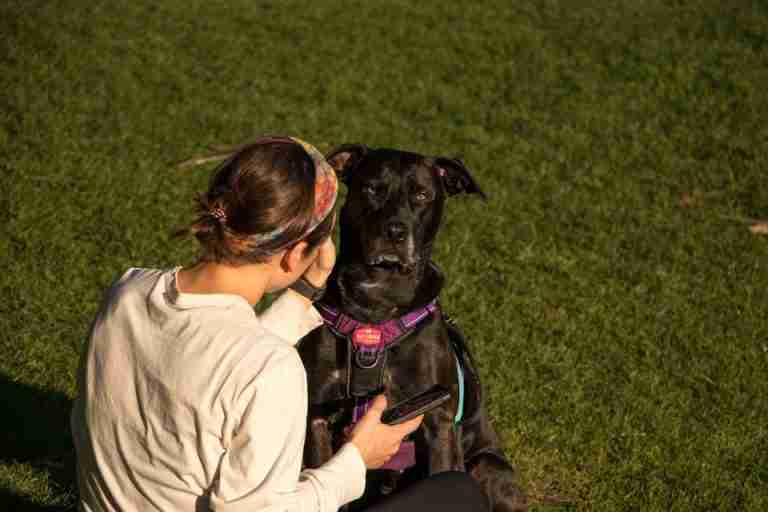
Experts suggest that creating a consistent routine helps rescue dogs feel secure. Regular feeding, playtime, and short leash walks around familiar areas can help a dog become accustomed to its new environment. Consistency and patience are key; rushing this process can lead to setbacks. Introduce simple commands like "sit" or "stay" during these interactions to further build communication and trust.
The Stop-and-Go Technique: An Effective Training Strategy
One of the most effective methods to teach a dog to walk on a leash is the stop-and-go technique. This involves stopping every time the dog pulls on the leash and only moving forward when the dog returns to a calm state. It might feel tedious initially, but persistence pays off. Dogs quickly learn that pulling halts their progress, while walking calmly allows them to continue exploring.
Many find that incorporating verbal cues like "easy" or "slow" helps reinforce the behavior. Combine these cues with treats or a clicker to mark the moment the dog is walking calmly. This technique not only teaches leash manners but also reinforces the handler's role as a leader. It's important to remain consistent with these cues and rewards, ensuring that the dog clearly associates calm walking with positive outcomes.
Positive Reinforcement: Rewarding Good Behavior
Positive reinforcement is a powerful tool in dog training. Whenever the dog walks calmly on the leash, reward it with treats, praise, or play. This approach encourages the dog to repeat the desired behavior. High-value treats—those that the dog doesn't usually receive—are particularly effective during training sessions. Examples include small pieces of chicken or cheese, which can be particularly enticing.
Timing is crucial when using positive reinforcement. The reward should be given immediately after the desired behavior to create a clear association in the dog's mind. Over time, the dog will begin to understand that calm walking results in positive outcomes. Make sure to vary the rewards occasionally to keep the dog engaged and interested in the training process.
Understanding Triggers: Identifying Distractions and Fears
Rescue dogs often come with their own set of fears and distractions. Understanding what triggers these reactions can help manage them during walks. Common triggers include other dogs, loud noises, or passing vehicles.
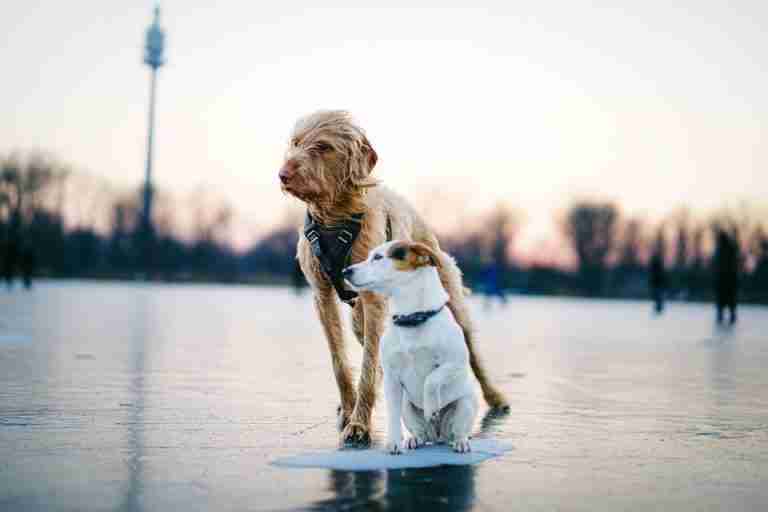
To identify triggers, observe the dog's behavior closely. Does it start pulling when a skateboard passes by? Is it fearful of larger dogs? Once these triggers are known, gradual desensitization can help. Start by exposing the dog to the trigger from a distance, rewarding calm behavior, and slowly decreasing the distance over time. This methodical approach allows the dog to gradually build confidence in challenging situations.
For dogs with severe anxiety, consulting a professional trainer or a veterinarian can provide additional strategies or recommend calming aids. Tools such as anxiety wraps or pheromone diffusers might be suggested to help the dog relax.
Practicing in Controlled Environments: Gradual Exposure to the Outside World
Before venturing into more challenging environments, practice leash training in a controlled setting like a backyard or a quiet park. This helps the dog focus on training without overwhelming distractions. It's a safe space to practice commands and reinforce calm walking behavior.
Once the dog demonstrates consistent calmness in these environments, gradually introduce more distractions by moving to busier areas. This step-by-step approach ensures the dog doesn't become overwhelmed and helps solidify the training in various contexts. Practicing in different locations can also prevent the dog from associating calm behavior with only one environment.
Integrating Play and Exercise: Balancing Energy Levels
A well-exercised dog is more likely to be calm on a leash. Ensure the dog gets enough physical activity through play and exercise. Activities like fetch, agility games, or even a brisk run can help burn off excess energy, making the dog more receptive to training.
Consider incorporating mental stimulation into the dog's routine. Puzzle toys or obedience training exercises engage the dog's mind and can reduce anxious energy. When a dog’s physical and mental needs are met, it becomes easier to focus on leash training. Interactive games such as hide and seek with treats can also contribute to mental stimulation.
Patience and Consistency: The Cornerstones of Success
Training a rescue dog to walk calmly on a leash requires patience and consistency. There will be days when progress seems slow, and that's perfectly normal. Progress may come in small increments, but with persistence and a positive attitude, improvements will follow.
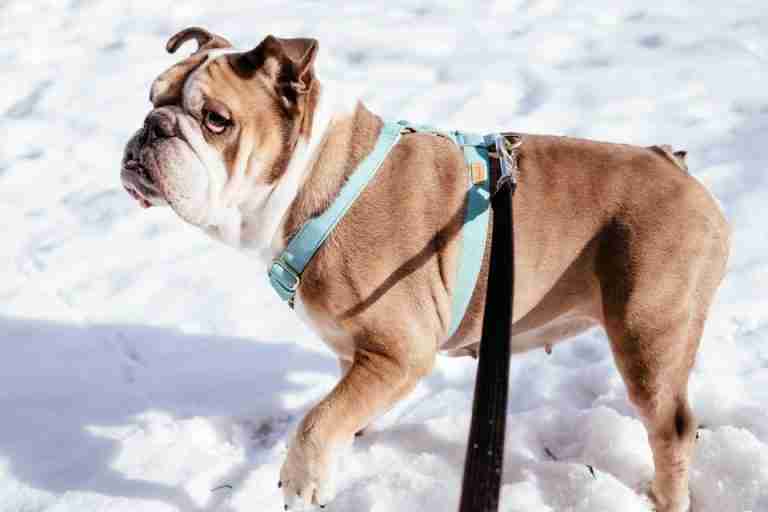
Maintaining a consistent training schedule helps reinforce the desired behaviors. Regular short sessions tend to be more effective than infrequent long ones. Aim for 10 to 15-minute training intervals, focusing on rewarding calm behavior and gradually increasing the duration as the dog becomes more comfortable. Keeping a training journal can also help track progress and identify patterns or triggers.
Seeking Professional Help: When to Consult a Trainer
Sometimes, despite best efforts, progress is minimal. If a rescue dog continues showing signs of severe anxiety or aggression, it might be beneficial to consult a professional dog trainer. A certified trainer can provide personalized guidance and strategies tailored to the dog's specific needs.
Organizations such as the Association of Professional Dog Trainers offer directories of certified trainers who can assist with behavioral challenges. Additionally, these professionals can provide insight into advanced training techniques and resources. They may also conduct one-on-one sessions to address specific issues, offering a more tailored approach to the dog's unique challenges.
Embracing the Journey: Every Step Counts
Training a rescue dog to walk calmly on a leash is a rewarding journey. Each small victory, whether it's a few steps without pulling or a calm walk past a barking dog, is a testament to the progress being made. Celebrate these moments and embrace the bond being formed with the dog.
Remember, every dog is unique. What works for one may not work for another, which is why it's important to remain flexible and attentive to the dog's cues. With time, dedication, and the right approach, any rescue dog can learn to enjoy peaceful, pleasant walks.
Walking a dog should be a joy, not a chore. By applying these methods, any dog owner can transform chaotic walks into calm, enjoyable experiences. Start today with a short, focused session and see how even the smallest steps forward can make a big difference.