The Day My Rescue Dog Finally Ate from My Hand
Imagine this: you've just brought home a rescue dog, and while the initial excitement is palpable, a silent barrier lingers. Your new furry friend shies away from your hand, the very hand meant to offer love and sustenance. It's not just about feeding; it's a microcosm of the trust and bond you're trying to build. That first moment when your rescue dog takes food directly from your hand feels like a small miracle. But how do you get there? It's a journey filled with patience, understanding, and a few practical steps.
Consistency in Routine: The Foundation of Trust
Establishing a consistent routine is non-negotiable. Dogs thrive on predictability. When you introduce a rescue dog to your home, start by setting fixed times for walks, meals, and play. Consistency helps them understand what to expect and when. Over time, this predictability reduces anxiety and builds trust.
Consider this: feeding your dog at the same times each day. This simple action can make a world of difference. Over just a couple of weeks, your dog will start associating you with stability and care. This is crucial because trust isn't built overnight. It's a slow process that hinges on reliability.
In addition to meal times, consider incorporating a consistent bedtime routine. Establishing a regular sleep schedule helps your dog feel secure. Dogs, much like humans, find comfort in knowing when to wind down. A designated bedtime with calming activities like a short walk or gentle petting can signal to your dog that it's time to relax, further reinforcing the comfort they find in routine.
Body Language: What You're Saying Without Words
Your body language speaks volumes. Dogs are incredibly perceptive to human emotions and cues. When approaching your new friend, adopt a non-threatening posture. Avoid direct eye contact initially, as this can be perceived as aggressive. Instead, sit or kneel to appear less intimidating, offering them a sense of security.

Use your hands wisely. Extend a relaxed hand, palm up, to let them sniff. This gesture conveys openness and a lack of threat. It's all about creating a safe space where your dog feels comfortable exploring at their own pace.
Understanding your dog's body language is equally important. Pay attention to signs of stress, such as yawning, lip licking, or paw lifting. These can indicate your dog is feeling anxious or overwhelmed. Responding to these cues by giving them space or speaking in a calm, reassuring voice can help ease their discomfort, fostering a more trusting relationship over time.
The Power of Positive Reinforcement
Positive reinforcement is a game-changer in trust-building. Whenever your dog exhibits a desired behavior, reward them with treats, praise, or petting. The key is immediacy—reward them right after the desired action so they can make the connection.
You might want to try small, tasty treats like Blue Buffalo's Bits or Zuke's Mini Naturals. These are perfect for frequent rewarding without overfeeding. Keep in mind, the goal is to associate you with positive experiences. This consistent pattern of reward bolsters trust significantly.
Consider diversifying the types of rewards you offer. While treats are effective, verbal praise and gentle petting can be equally powerful. Tailor the rewards to your dog's preferences; some might respond better to vocal encouragement, while others may find physical affection more rewarding. This individual approach can strengthen the bond you are building.
Slowly Bridging the Gap: Hand Feeding Techniques
Hand feeding can be a pivotal step in trust-building. Start by offering treats from your hand while sitting quietly. Initially, your dog may hesitate, but patience is key. Allow them to approach at their own pace.
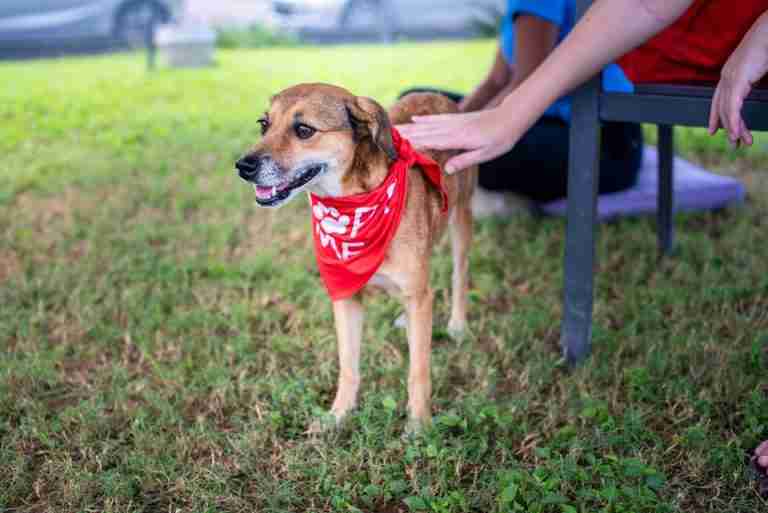
If they seem too anxious, you can place the treat on the ground, then gradually move to holding it in your open palm. Over time, your dog will connect your hand with positive experiences, gradually reducing their fear.
Remember, this process can take time. For some dogs, it might be a matter of days; for others, weeks. Stay patient and persistent.
Consider incorporating hand feeding into playtime. Use interactive toys that dispense treats when manipulated, encouraging your dog to engage with you in a playful context. This not only builds trust but also enriches your dog's environment, promoting mental stimulation and a positive association with your presence.
Creating a Safe Environment: More Than Just Physical Space
A rescue dog needs more than just physical safety. The mental and emotional environment is equally important. Ensure your home has a designated quiet area where your dog can retreat if they feel overwhelmed. This could be a cozy corner with a bed or a crate covered with a blanket.
Avoid sudden loud noises and chaotic environments that could increase anxiety. Playing soft music or leaving the TV on at a low volume can help create a calming atmosphere. The DogTV service is specifically designed for this purpose, providing content that soothes and engages dogs.
Think about the scents in your home as well. Dogs have an incredibly keen sense of smell, and certain scents can have a calming effect. Consider using diffusers with dog-safe essential oils like lavender or chamomile to create a serene environment. Always ensure that these scents are safe for pets and used in moderation.
Patience as a Tool: Embracing the Journey
Patience isn't just a virtue; it's a tool. Understand that each rescue dog comes with their unique history. Some may have faced neglect or trauma, making them wary of humans. Your patience can help rewrite that narrative.
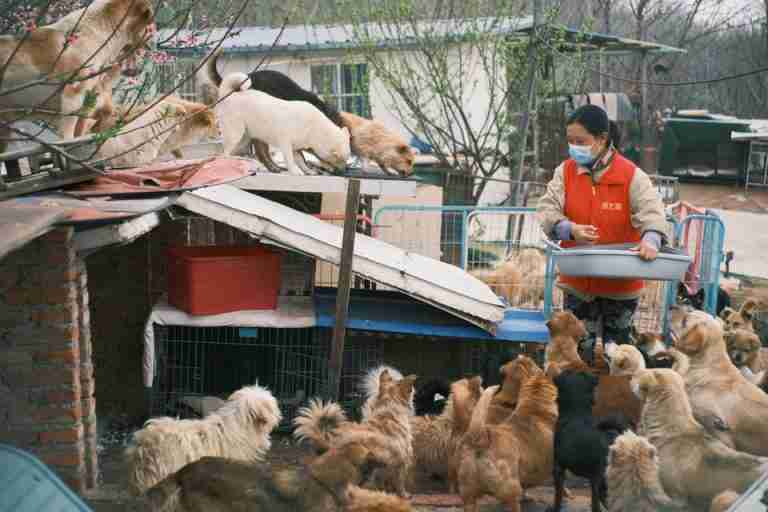
It's important to not rush the process. Forcing interactions or pushing your dog into situations they're uncomfortable with can backfire. Instead, let them set the pace. Celebrate small victories, like when they approach without hesitation or wag their tail in your presence. These moments, though seemingly minor, are significant milestones in the journey of trust-building.
Consider keeping a journal of your dog's progress. Documenting each step, no matter how small, can serve as a reminder of the progress made and encourage you to remain patient. Reflecting on past successes can be incredibly motivating, especially on days when progress seems slow.
Seeking Professional Help: When to Consider It
Sometimes, despite your best efforts, progress may stall. If your dog continues to display extreme anxiety or aggression, it might be time to seek professional help. A qualified dog behaviorist can offer personalized strategies tailored to your dog's needs.
Look for certified professionals through organizations like the International Association of Animal Behavior Consultants or the Certification Council for Professional Dog Trainers. These experts can provide insights and techniques that you might not have considered, helping to bridge the trust gap more effectively.
When selecting a professional, consider their approach to training. Opt for those who use positive reinforcement techniques and have experience with rescue dogs. A good behaviorist will work with both you and your dog, ensuring that the strategies are practical and adaptable to your lifestyle.
Realizing the Impact: The Moment of Breakthrough
There will come a day when your dog takes food from your hand without hesitation. It's a profound moment, marking the culmination of your efforts. This isn't just about feeding; it's about the trust that's been built, the bond that's been formed.
This breakthrough moment is a testament to the time, patience, and love you've invested. It opens the door to a deeper relationship where your dog feels secure and valued. This foundation of trust will enhance every interaction you share, from walks to playtime, and even quiet moments together.
In the end, building trust with a rescue dog is as rewarding for you as it is for them. It requires patience, understanding, and a willingness to see the world through their eyes. There's no one-size-fits-all approach. What matters is the commitment to understanding and nurturing your dog's unique needs. When trust is finally established, it's a bond that enriches both your lives in ways that go far beyond that first meal from your hand.