Why Thunderstorms Turn Your Rescue Pup into a Shaking Ball of Anxiety
Imagine this: the sky darkens, the first rumblings of thunder echo in the distance, and suddenly your rescue pup, who was just moments ago enjoying a peaceful nap, becomes a quivering ball of nerves. It's a familiar scene for many pet owners, especially those with rescue dogs. Loud noises like thunderstorms often trigger intense anxiety in these dogs. But why does this happen, and more importantly, what can you do to help ease their distress?
40% of Dogs Fear Thunderstorms: Understanding the Numbers
Research shows that approximately 40% of dogs experience noise anxiety, and thunderstorms are one of the most common triggers. The combination of loud noises, changes in barometric pressure, and even static electricity in the air can be overwhelming for dogs. For rescue dogs, these reactions can be even more pronounced due to their past experiences. Many of them come with histories of neglect or trauma, making them more susceptible to anxiety in stressful situations.
Beyond thunderstorms, other loud noises such as fireworks, gunshots, or even construction sounds might provoke a similar response. Understanding that this is a common issue affecting a significant percentage of dogs can help pet owners feel less isolated and more empowered to seek solutions.
The Science of Canine Anxiety: Why Rescue Dogs Are Prone
Experts suggest that rescue dogs are particularly vulnerable to anxiety due to the uncertain and often traumatic backgrounds they come from. Past experiences of abandonment or mistreatment can leave a lasting impact on a dog's mental health. When faced with a thunderstorm, these dogs might associate the loud, unpredictable noises with past fears or stressful situations they've endured.
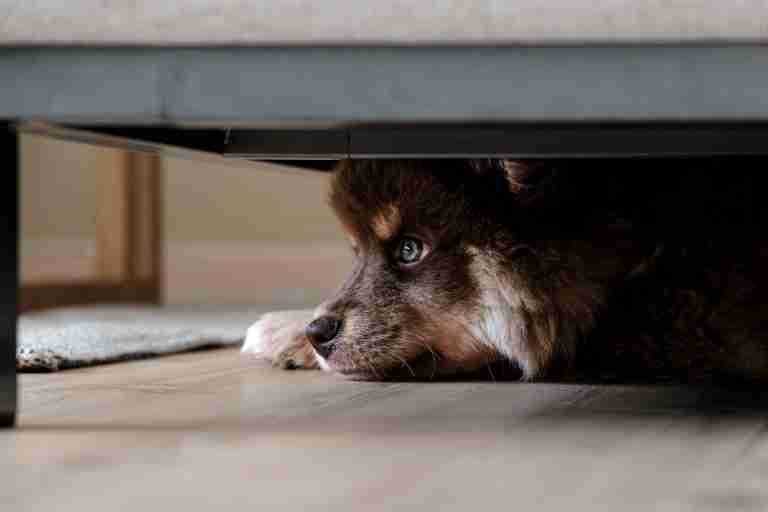
This isn't always straightforward. Each dog is unique, and their reactions can vary widely. Some might hide under furniture, while others bark incessantly or exhibit destructive behavior. Understanding the underlying causes of your dog's anxiety can be crucial in helping them cope. For instance, a dog that trembles at the sound of thunder may have been left outside during storms in the past, creating a deep-seated fear associated with the noise.
Practical Techniques to Calm Your Rescue Pup
So, what can you do to help your anxious rescue dog during a thunderstorm? One effective method is creating a safe space for them. This could be a quiet room or a cozy corner with their favorite blanket and toys. The idea is to provide a secure, familiar environment where they feel protected. Some pet owners find success with creating a den-like area using a crate—covered with a blanket—which can be comforting for some dogs who seek a confined space.
Another approach is using a Thundershirt, which applies gentle, constant pressure to calm anxious dogs. Many pet owners find that it helps reduce anxiety during storms. Playing calming music or white noise can help drown out the sound of thunder and provide a soothing auditory environment. Classical music, in particular, has been shown to have a calming effect on dogs.
For those with multiple pets, it may also be beneficial to observe whether your anxious dog responds positively or negatively to the presence of other animals during a storm. Some dogs find comfort in companionship, while others may prefer solitude.
The Role of Routine and Training in Reducing Anxiety
Professionals note that a consistent routine can significantly help in managing a dog's anxiety. By maintaining regular feeding, walking, and play times, you give your dog a sense of predictability and security. Training can also play a role. Teaching your dog commands like "stay" or "come" can help distract them during a storm, shifting their focus away from the source of their anxiety.

Positive reinforcement is important here. Rewarding your dog for calm behavior, even in non-stormy conditions, reinforces the idea that staying calm is a good thing. Consistency and patience are key, as it may take time for your dog to adjust. Consider incorporating training exercises that promote calmness, such as "settle" or "place," where your dog learns to relax on a designated mat or bed.
Medication and Supplements: Are They Necessary?
Sometimes, behavioral techniques alone aren't enough. In such cases, consulting with a veterinarian about medication or supplements might be necessary. Anti-anxiety medications can be prescribed for dogs with severe anxiety. There are also natural supplements, like Zylkene, made from milk proteins that have calming properties.
However, medication should never be the first option. It's essential to weigh the pros and cons and consider it only if other methods have proven ineffective. Always seek professional advice before giving your dog any medication or supplements. Some pet owners find success with pheromone diffusers, which release calming scents into the environment, mimicking the natural comforting pheromones produced by mother dogs.
The Importance of Patience and Understanding
It's crucial to remember that overcoming anxiety is a process, and it requires patience and understanding. Rescue dogs, with their complex backgrounds, may take longer to adjust and feel safe. It's important to give them time and not rush the process. Your empathy and support play a pivotal role in their journey towards overcoming their fears.
Actionable Steps You Can Take Today
Start by observing your dog's behavior during thunderstorms. Take note of what triggers their anxiety and what seems to help. This understanding will guide you in creating a tailored plan to manage their anxiety. Keep a journal to track patterns and progress, which can be helpful when consulting professionals.
Consider investing in tools like a Thundershirt or calming supplements. Set up a designated safe space in your home where your dog can retreat during a storm. And if needed, consult with a veterinarian or a professional dog trainer to explore further options. Engaging in regular mental and physical exercises can also help your dog expend energy in a positive way, potentially reducing anxiety over time.
Ultimately, the goal is to create an environment where your rescue dog feels secure and loved, even in the face of raging storms. By taking proactive steps, you can help transform those anxiety-filled moments into opportunities for comfort and reassurance.