Why Your Dog Thinks the Vacuum Is the Enemy
If you've ever witnessed your furry friend transform into a bundle of nerves the moment the vacuum cleaner roars to life, you're not alone. It's a common scene: the vacuum emerges, and your dog either bolts for cover or launches into a barking frenzy. But why does this household appliance cause such a reaction? Understanding the reasons behind this fear can help you address it effectively.
The Roaring Monster: Understanding the Noise Factor
At the heart of many dogs' fear of vacuum cleaners is the noise. Vacuums are loud, and for animals with sensitive hearing, the sound can be overwhelming. Dogs hear frequencies from 40 Hz to 60 kHz, while humans hear only between 20 Hz and 20 kHz. This means that what might be an annoying hum to humans can be a deafening roar to a dog.
The unpredictable nature of the sound amplifies the issue. Unlike other household noises, vacuums aren't constant; they start and stop suddenly, move around the house, and can change pitch as they go over different surfaces. This unpredictability can make the vacuum seem like an erratic and potentially threatening presence to a dog. For instance, a vacuum moving from a hardwood floor to a carpet can change its pitch, which might escalate a dog's anxiety, making it important for owners to be mindful of these transitions.
Size and Movement: A Threatening Presence
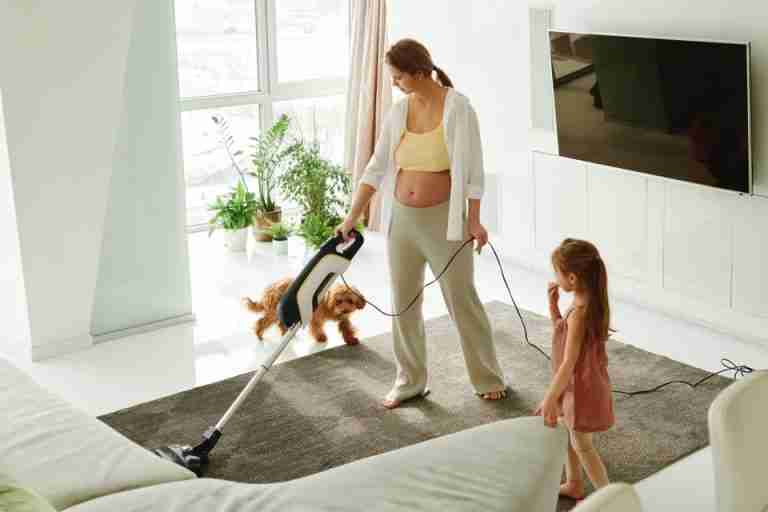
Beyond the noise, the sheer size and movement of a vacuum cleaner can be intimidating. To a small dog, the vacuum might appear as a large, predatory creature. It moves in a way that is not typical for inanimate objects, and for a dog, this can be confusing and unsettling.
Dogs are wired to react to movement. A vacuum cleaner, with its sudden jerks and unpredictable path, can trigger a dog's instinct to flee or defend itself. This is why some dogs might bark incessantly at a vacuum or even try to "attack" it—it's their way of confronting what they perceive as a threat. Providing an example, a dog that has been conditioned to chase moving objects, like toys or squirrels, might instinctively respond to the vacuum as it would to these objects.
A Personal Space Invader: Territorial Concerns
Dogs are territorial creatures. When a vacuum cleaner invades their space, it can feel like a breach of their territory. The vacuum moves into areas where dogs typically have full control—their favorite napping spots, the places where they stash toys, or even their feeding areas.
This invasion of personal space can lead to anxiety. The dog's instinct is to protect their territory, and the vacuum, being an unfamiliar object, becomes the enemy. For some dogs, this can be a trigger for aggression or fear-based reactions. For instance, a dog that guards its favorite blanket might become particularly agitated when the vacuum approaches that area, viewing it as a direct challenge to its authority.
Past Experiences: Conditioning and Trauma
Just like humans, dogs can be influenced by past experiences. If a dog has had a negative encounter with a vacuum cleaner in the past—perhaps it was startled by the noise or accidentally bumped by the machine—this can lead to a lasting fear.
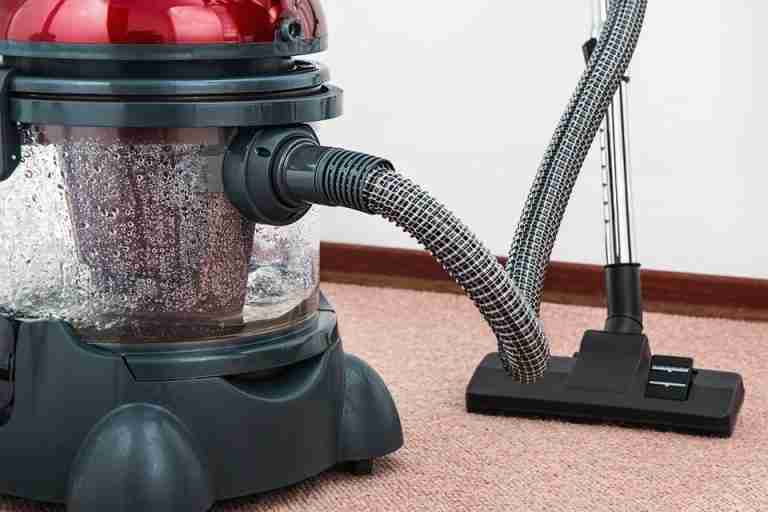
In some cases, dogs may have been frightened by a vacuum cleaner during a critical stage in their development. Puppies go through a sensitive period where they are highly impressionable. A frightening experience during this time can result in a lasting fear of the object involved. Understanding your dog's history can be crucial in addressing their fear. For example, a rescue dog with an unknown past may have had traumatic experiences with loud noises, making it more prone to vacuum anxiety.
Strategies to Help Your Dog Overcome Vacuum Phobia
The good news is that there are ways to help your dog become more comfortable around vacuum cleaners. Here are some approaches that can make a difference:
-
Desensitization and Counterconditioning: Gradually introduce your dog to the vacuum cleaner in a non-threatening way. Start by leaving the vacuum in a room without turning it on. Allow your dog to sniff and explore it. Reward calm behavior with treats. Slowly progress to turning the vacuum on for short periods while rewarding your dog for staying calm. Over time, this can help change your dog's association from fear to neutrality or even positivity. For instance, you might begin by turning the vacuum on in a different room with the door slightly ajar, allowing your dog to hear the noise at a distance before gradually moving closer.
-
Create a Safe Space: Ensure your dog has a safe space to retreat to when the vacuum is in use. This could be a different room or a comfy crate filled with their favorite toys. Having a designated safe zone can reduce anxiety and help your dog feel secure. Some owners find success with calming aids, such as pheromone diffusers, in these safe spaces to further ease their dog's stress.
-
Use Technology: Consider using quieter vacuum models designed to minimize noise. Products like the Dyson Cyclone V10 are engineered to be quieter while maintaining powerful suction. This can make a significant difference for noise-sensitive dogs. Additionally, noise-cancelling headphones for dogs are available and can provide relief during vacuuming sessions.
-
Professional Help: If your dog's fear is severe, consulting with a professional dog trainer or behaviorist can be beneficial. They can develop a tailored plan to address the fear and help your dog become more comfortable with the vacuum. Trainers can also help you identify subtle signs of stress in your dog that might not be immediately obvious, allowing you to intervene early.
When Avoidance Is the Best Policy
Sometimes, despite best efforts, a dog may never fully acclimate to the vacuum cleaner. In such cases, it might be best to use the vacuum when your dog is out for a walk or in a different part of the house. While it may not solve the fear, it can prevent the stress associated with it.
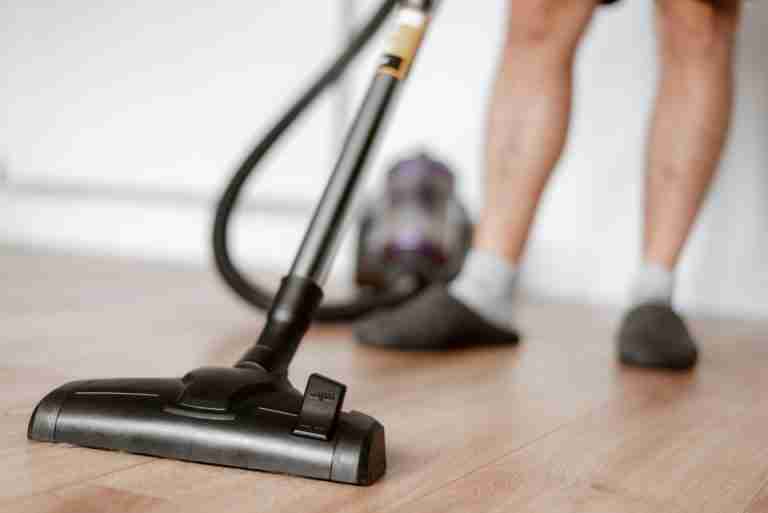
It's also worth considering alternative cleaning methods, such as using a broom or a quiet handheld vacuum like the Shark Rocket, for smaller messes. This can reduce the frequency with which the larger vacuum needs to be used. Additionally, scheduling regular cleaning sessions when your dog is naturally more relaxed, such as after a long play session, can minimize stress.
Understanding Each Dog's Unique Needs
Every dog is unique, and their reactions to vacuum cleaners can vary widely. Some dogs might be more sensitive due to breed characteristics, while others may have individual quirks that make them more or less likely to find the vacuum threatening. Breeds known for their heightened sense of hearing, such as terriers and hounds, may be more prone to noise fears.
It's essential to observe your dog's behavior and tailor your approach to their specific needs. What works for one dog might not be effective for another, so flexibility and patience are key. By understanding what triggers your dog's fear and adapting your strategy, you can make the vacuuming experience less stressful for everyone involved. Engaging in regular play and mental stimulation can also help build your dog's confidence, making them more resilient to stressful situations.
Taking Action Today: Steps to a Calmer Dog
Addressing your dog's fear of the vacuum cleaner doesn't have to be a daunting task. Start by acknowledging the fear and taking small, consistent steps to help your dog feel more at ease. Introduce positive associations with the vacuum through rewards and ensure your dog always has a safe place to retreat to. If needed, seek professional guidance to develop a comprehensive plan.
Remember, patience is crucial. Progress may be slow, but with time and effort, most dogs can learn to tolerate, if not completely ignore, the vacuum cleaner. By understanding the root of their fear and taking proactive steps, you can help your furry friend lead a more relaxed and stress-free life—even when the vacuum is running.